Animal Myths Busted: 10 'Facts' That Are Actually Wrong
Which widely believed animal facts are actually myths?
On this page
Why So Many Animal "Facts" Are Actually Wrong
Goldfish don't have three-second memories, and bats aren't blind. Yet millions of people repeat both "facts" with total confidence. Why? Because the best myths are sticky, simple, and fun to say.
Most animal myths come from three places: cartoons that prioritize a good gag over real biology, decades-old textbooks that science has since corrected, and plain old repetition. Hear something enough times and it starts to feel true.
There's also a built-in unfairness. A catchy one-liner spreads in seconds, while the real explanation—often more surprising—takes a paragraph and never goes viral.
How to read this list: Each entry below names the popular myth, tells you the actual science in plain language, and explains why the myth refuses to die. Every claim is checked against zoos, museums, wildlife agencies, and peer-reviewed research—so you can trust the corrections (and win your next dinner-table debate).
Myth #1: Goldfish Have a 3-Second Memory
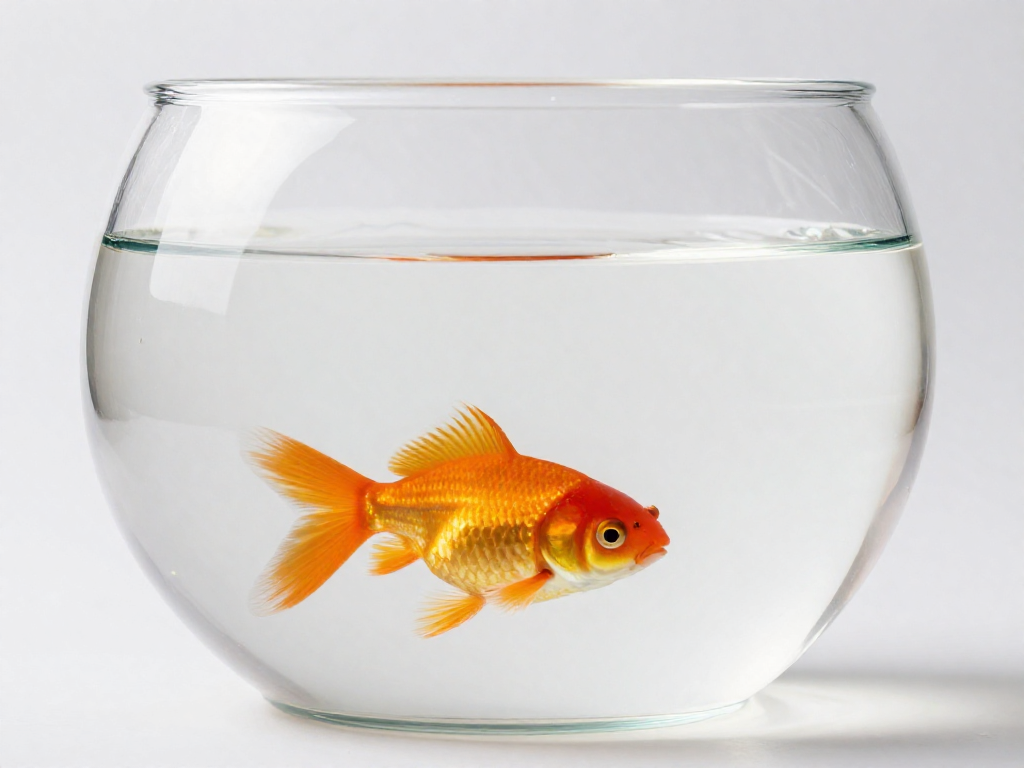
Here's a surprise for anyone who's ever felt sorry for the fish in the bowl: goldfish can actually remember things for weeks, even months. The three-second memory line is one of the most repeated "facts" on the planet—and it's completely wrong.
Nobody's sure exactly where the myth started, but it stuck around because it's catchy and it conveniently lets us off the hook for keeping fish in tiny tanks. The real science tells a different story. Researchers have trained goldfish to push levers, swim through mazes, and respond to specific colors and sounds for food. In one classic experiment, goldfish learned to expect feeding at a certain spot and remembered the lesson long after.
They can even tell their owners apart and recognize routines—pretty impressive for a creature we wrote off as forgetful.
Quick takeaway: Goldfish don't forget in three seconds. They can learn tricks and hold memories for months.
Myth #2: Bats Are Blind
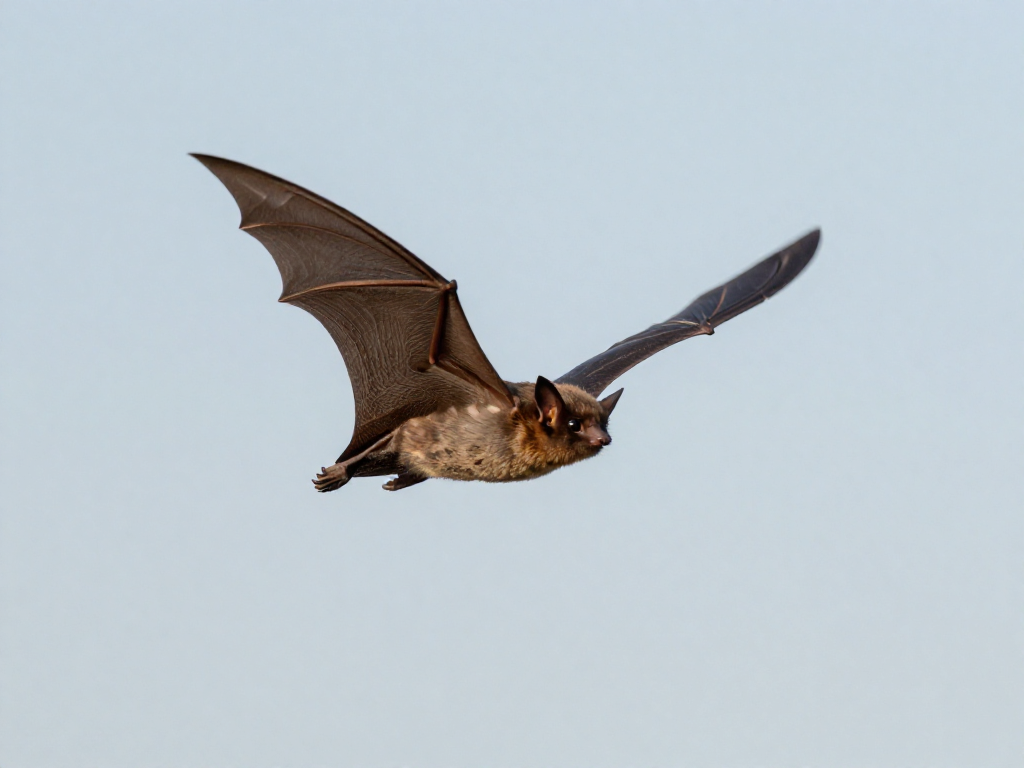
Here's the surprise: no bat on Earth is actually blind. The phrase "blind as a bat" gets the science exactly backward — every one of the world's 1,400-plus bat species can see, and some see remarkably well.
So where did the saying come from? Most bats are active at night and dart around in erratic, swooping patterns, which made early observers assume they couldn't see where they were going. In reality, they were navigating with one of nature's coolest superpowers.
That superpower is echolocation (sending out high-pitched sounds and reading the echoes that bounce back). Microbats — the small, insect-hunting kind — use it to snatch mosquitoes in total darkness, but they still have working eyes for low-light conditions.
Fruit bats (also called megabats, like flying foxes) often skip echolocation altogether. They rely on large, well-developed eyes and a strong sense of smell to find ripe fruit. Far from blind, some have vision sharp enough to spot food by starlight.
Myth #3: Ostriches Bury Their Heads in the Sand
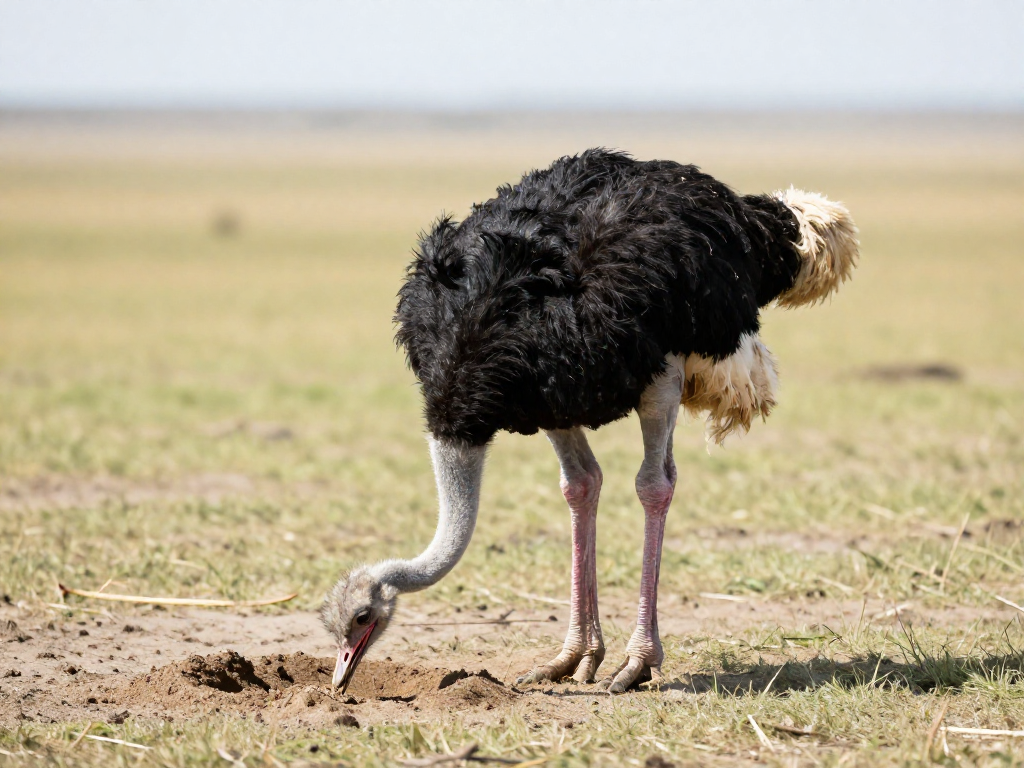
Here's the truth: no ostrich has ever stuck its head in the sand to "hide" from danger. It would suffocate—and ostriches are far too smart for that.
So where did the image come from? Ostriches dig shallow nests in the ground, and several times a day they lower their heads to turn their eggs with their beaks. They also drop their heads to graze on low plants and grit. From a distance, that head-down posture really can look like a bird vanishing into the dirt.
What ostriches actually do when threatened:
- Run. As the world's fastest two-legged animal, an ostrich can sprint up to about 43 mph (70 km/h)—faster than a racehorse.
- Kick. Cornered ostriches deliver powerful forward kicks with clawed feet strong enough to deter lions.
- Lie low. They may flatten their heads and necks against the ground to blend in—but their eyes stay wide open.
Burying their heads? Never.
Myth #4: A Camel's Hump Stores Water
Crack open a camel's hump and you won't find a hidden water tank — you'll find fat. That's right: a camel's hump is basically a built-in lunchbox, not a canteen.
Each hump can hold up to about 80 pounds of fat. When food is scarce in the desert, a camel's body breaks down that fat for energy, which is why a hungry camel's hump can shrink and flop to one side.
So how do camels go a week or more without drinking? Their tricks are all about conservation: they barely sweat, their oval-shaped red blood cells keep flowing even when dehydrated, and they produce very dry droppings and concentrated urine to save every drop. Then, when water is finally available, a thirsty camel can gulp down up to 30 gallons in about 13 minutes — fast enough to make up for the long dry spell.
(Sources: National Geographic; San Diego Zoo Wildlife Alliance.)
Myth #5: Touching a Baby Bird Makes the Mother Reject It
Go ahead and breathe easy: a mother bird won't toss her chick just because a human touched it. Most birds have a famously weak sense of smell, so they can't even detect your scent in the first place — they recognize their young by sight and sound, not by sniffing for "human cologne."
So why does this myth refuse to die? It's likely well-meaning advice passed down to keep curious kids from disturbing nests. A scary rumor is an easy way to say "look, don't touch" — but the science behind it just isn't there.
What to actually do if you find a baby bird:
- Fully feathered and hopping? It's a fledgling learning to fly. Leave it alone — the parents are usually nearby.
- Naked or barely feathered? It fell from the nest. If you can, gently place it back. Mom won't mind.
- Injured or truly orphaned? Don't feed it or keep it. Contact a licensed wildlife rehabilitator near you.
When in doubt, the safest move for the bird is to call the experts.
Myth #6: Bulls Hate the Color Red
Here's the twist: a bull can't even see red the way you do. Bulls are red-green color blind (their eyes lack the receptors to tell those hues apart), so that famous crimson cape looks like a dull, muddy shade to them—nothing to rage about.
So what actually sets off a charge? Movement. When a matador snaps and sweeps the cape, the bull reacts to the motion and the threat, not the color. Studies of bull behavior confirm they'll charge a waving flag of any color just as readily.
- Bulls are red-green color blind — red doesn't pop for them at all.
- It's the cape's movement — the fast, fluttering swish triggers the charge.
- Why red anyway? Tradition and showmanship: the bold color masks bloodstains and looks dramatic to the human crowd, not the bull.
Bottom line: the bull never had a problem with red—just with things flapping in its face.
Myth #7: Daddy Longlegs Are the Most Venomous Spiders
You've probably heard it whispered like a campfire secret: daddy longlegs pack the deadliest venom on Earth, but their fangs are too tiny to pierce human skin. It's a spine-tingling story — and it's completely false.
The quick answer: There's no evidence daddy longlegs are dangerously venomous, and several "daddy longlegs" aren't even spiders.
Here's the tangle. The name "daddy longlegs" gets slapped on at least three different critters, including harvestmen (an eight-legged arachnid that isn't a true spider). Harvestmen have no venom glands and no fangs at all — so the deadly-venom claim falls apart instantly.
The spider version, the cellar spider, does have venom, like nearly all spiders. But scientists at UC Riverside tested the myth and found their venom is mild, and they're perfectly capable of biting — the effect is just a faint, brief sting at most.
Bottom line: No daddy longlegs has ever been documented harming a human. This one's pure legend.
Myth #8: Elephants Are Afraid of Mice
The truth: a four-ton elephant losing its mind over a tiny mouse makes for great comedy, but it's not real biology. Tests put the idea to the test and elephants mostly ignored the rodents scurrying around them.
The image comes straight from cartoons and folk tales—Disney's Dumbo helped cement it—where the gag of a giant beast cowering before a mouse is simply too good to resist.
So what's actually going on? Elephants have notoriously poor eyesight, so they tend to startle at anything that darts suddenly underfoot, whether it's a mouse, a dog, or a blowing leaf. It's the surprise movement, not the mouse itself, that gets a reaction.
What truly spooks an elephant?
- Sudden, unexpected movement near their feet
- Unfamiliar sounds, like buzzing bees—elephants will flee a beehive and even warn the herd
- Strange scents signaling a possible threat
No tiny rodent required.
Myth #9: You Can Tell a Snake's Venom by Its Triangle Head
Quick answer: No—head shape is a dangerously unreliable way to judge whether a snake is venomous.
The popular rule says venomous snakes have wide, triangular heads while harmless ones have narrow heads. But snakes didn't read that rulebook.
Plenty of completely harmless snakes can flatten and spread their heads into a broad triangle when threatened—a bluff to look scarier. North American water snakes and the African egg-eating snake are famous fakers, often mistaken for venomous species and killed for it.
The reverse is also true. Coral snakes, among the most venomous snakes in the US, have slender, rounded heads no wider than their necks. So a "safe-looking" head can still belong to a dangerous animal.
The safer rule: don't pick up or handle any snake you can't positively identify. If a snake turns up where it shouldn't, contact local animal control or a wildlife professional rather than getting close.
Myth #10: Lemmings Commit Mass Suicide
Lemmings don't hurl themselves off cliffs in despair—and the famous footage that "proved" it was staged. The 1958 Disney documentary White Wilderness won an Academy Award, but a 1982 investigation by the CBC program The Fifth Estate revealed the crew had bought lemmings, herded them onto a snow-covered turntable to fake a stampede, and then pushed them off a cliff into a river. The "mass suicide" was a movie set, not nature.
So what really happens? Lemmings (small Arctic rodents) go through dramatic population booms every few years. When their numbers swell, many disperse to find new food and space. During these migrations, some try to cross rivers or lakes and drown—an accidental risk of travel, not a death wish.
The takeaway: a single dramatic film clip turned a normal animal behavior into a "fact" repeated for decades. It's a reminder to ask where surprising claims actually come from.
How to Spot an Animal Myth Before You Share It
That viral "fact" about a goldfish's three-second memory? It fooled millions—and you can learn to catch the next one before you hit share. Here's a quick myth-detector kit:
- Check the source and date. A claim with no author, no study, and no year is a red flag. Real facts trace back to someone who measured them.
- Be suspicious of "too neat" facts. Nature is messy. If a claim sounds like cartoon logic (bulls hate red, ostriches hide their heads), it's probably been simplified into fiction.
- Verify with reputable sources. Try wildlife agencies (like the U.S. Fish & Wildlife Service), natural history museums, accredited zoos, or peer-reviewed studies (research checked by other scientists).
A 10-second search beats spreading a 100-year-old myth. Loved these surprises? Save this article and share it—help a friend bust a myth too.
See also
- Other articles in the Amazing Animal Facts category
- Surprising animal intelligence facts
- Weird animal survival adaptations
- Common myths about pets and domestic animals
Related articles

My Unpopular Opinion: Stop Calling Them 'Killer' Whales
Why should we stop using the term 'killer whale'?
Jul 28, 2026 · 3 min read
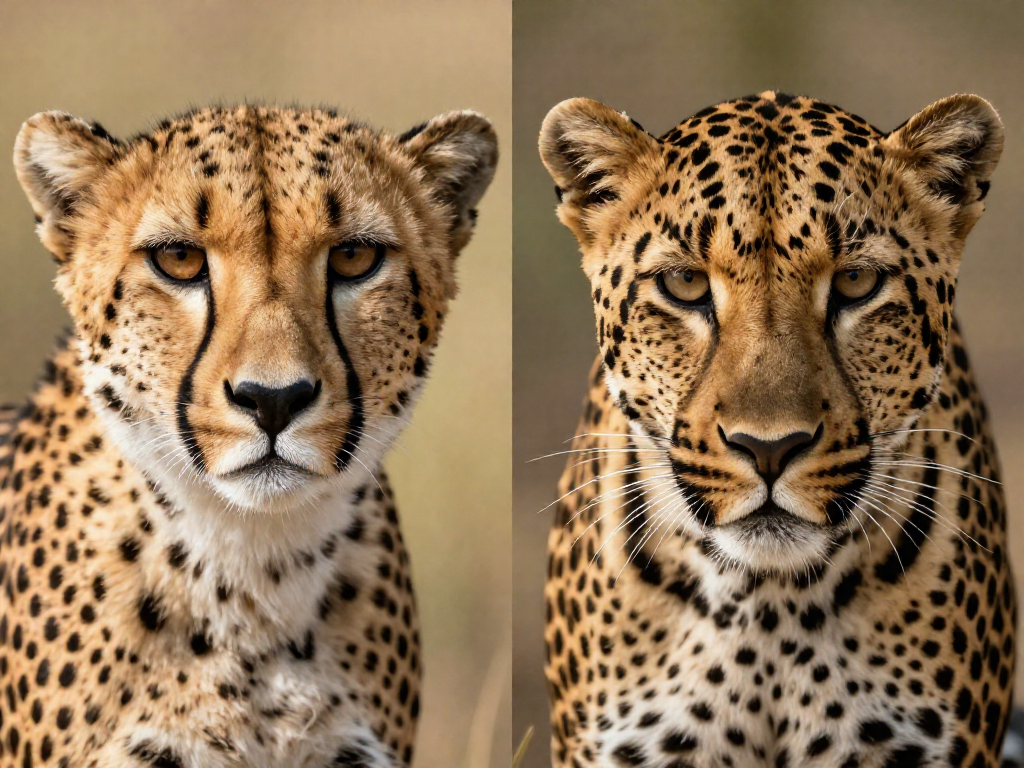
Cheetah vs. Leopard: Spotting the Difference in the Wild
How can you tell the difference between a cheetah and a leopard? Learn the key features including tear marks, spots, body shape, hunting styles, and sounds—all in one easy guide.
Jul 28, 2026 · 6 min read
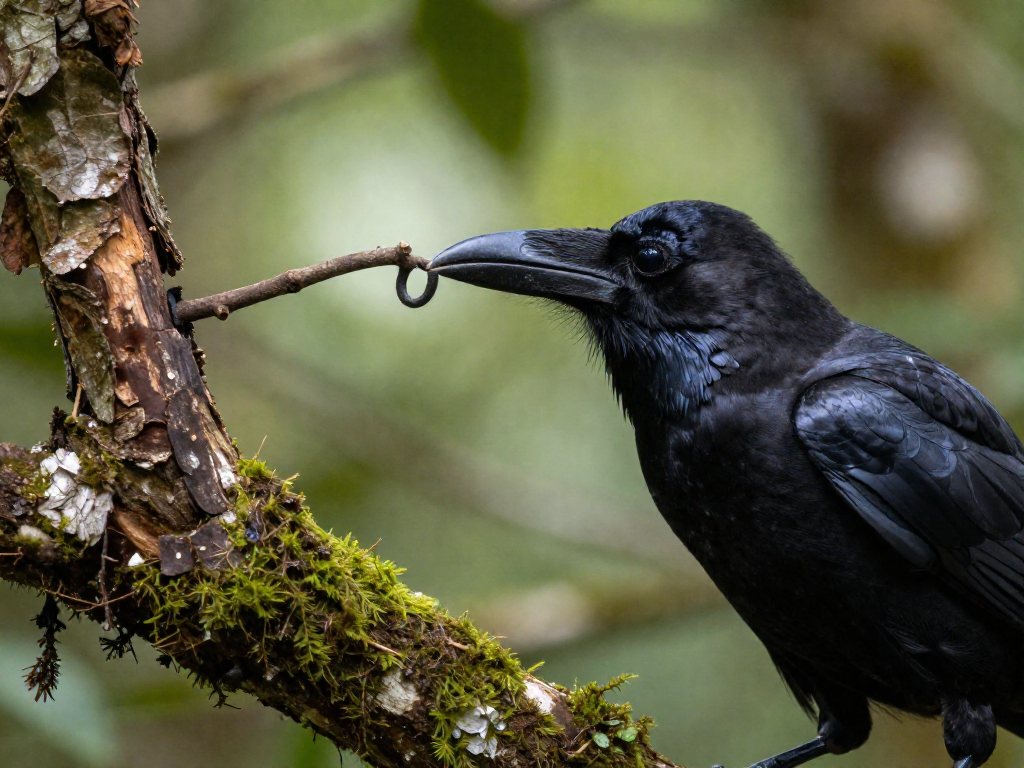
8 Animals That Use Tools (And What They Do with Them)
Which animals use tools, and how do they use them? From crows bending wires to octopuses carrying coconuts, discover 8 tool-using animals.
Jul 28, 2026 · 6 min read