Inside the Ocean's Twilight Zone: Made Simple
What lives in the deep ocean and how do they survive there?
On this page
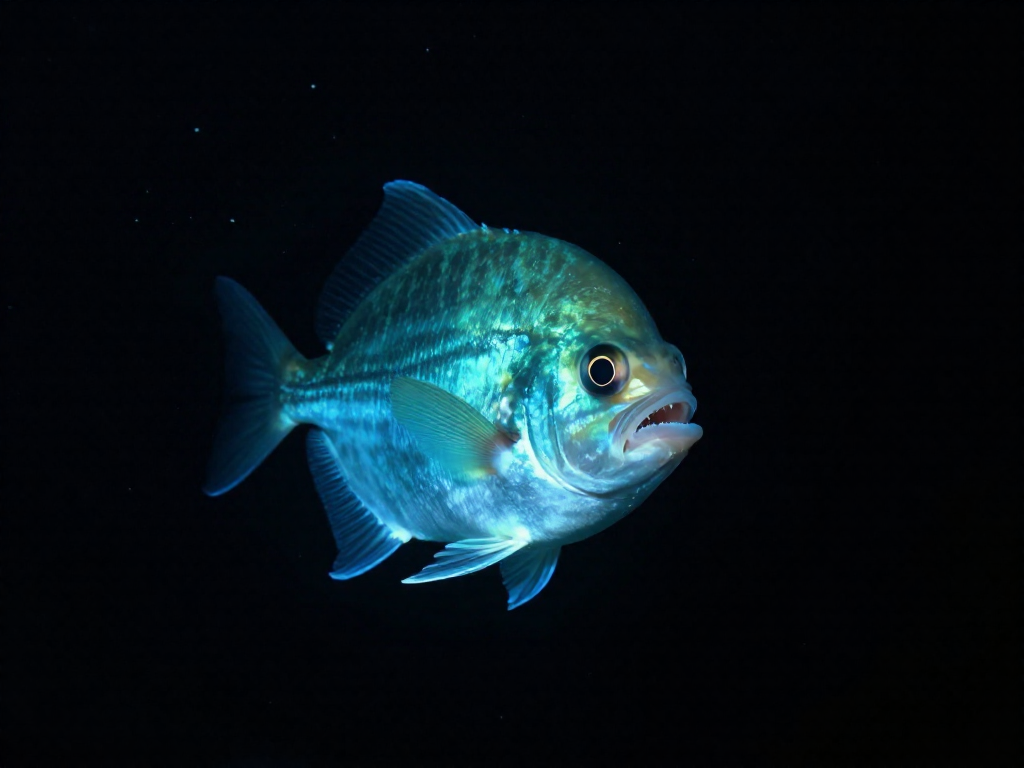
What Is the Ocean's Twilight Zone?
Somewhere below the sunlit waves you splash in at the beach lies a layer of ocean so vast and shadowy that scientists think it holds about 90% of all the fish in the sea — yet most of us have never heard of it. Welcome to the twilight zone.
Quick answer: The ocean's twilight zone is the dim middle layer of the sea, sitting roughly 200 to 1,000 meters down (about 650–3,300 feet). Scientists call it the mesopelagic zone (the "middle ocean"), but "twilight" captures it perfectly: only a faint, ghostly blue glimmer of sunlight ever makes it this deep, and below 1,000 meters the light disappears entirely.
It's a strange place to live. Here are the conditions any animal has to handle:
- Near-total darkness. The little sunlight that reaches the top of the zone fades to black before you hit the bottom of it.
- Bone-chilling cold. Temperatures hover around 4°C (39°F) — about as cold as your refrigerator.
- Crushing pressure. The deeper you go, the more the weight of all that water presses in, far stronger than anything we feel at the surface.
So why should you care about a place no sunbather will ever visit? Because the twilight zone may be one of the most important neighborhoods on Earth. Beyond holding the lion's share of the ocean's fish, it plays a quiet but powerful role in storing carbon — countless tiny creatures swim up to feed at night and sink back down by day, carrying carbon from the surface into the deep and helping keep our planet's climate in balance.
Now that you know where the twilight zone is and how harsh it gets, let's meet the astonishing animals that call it home.
Three Brutal Survival Challenges Down There
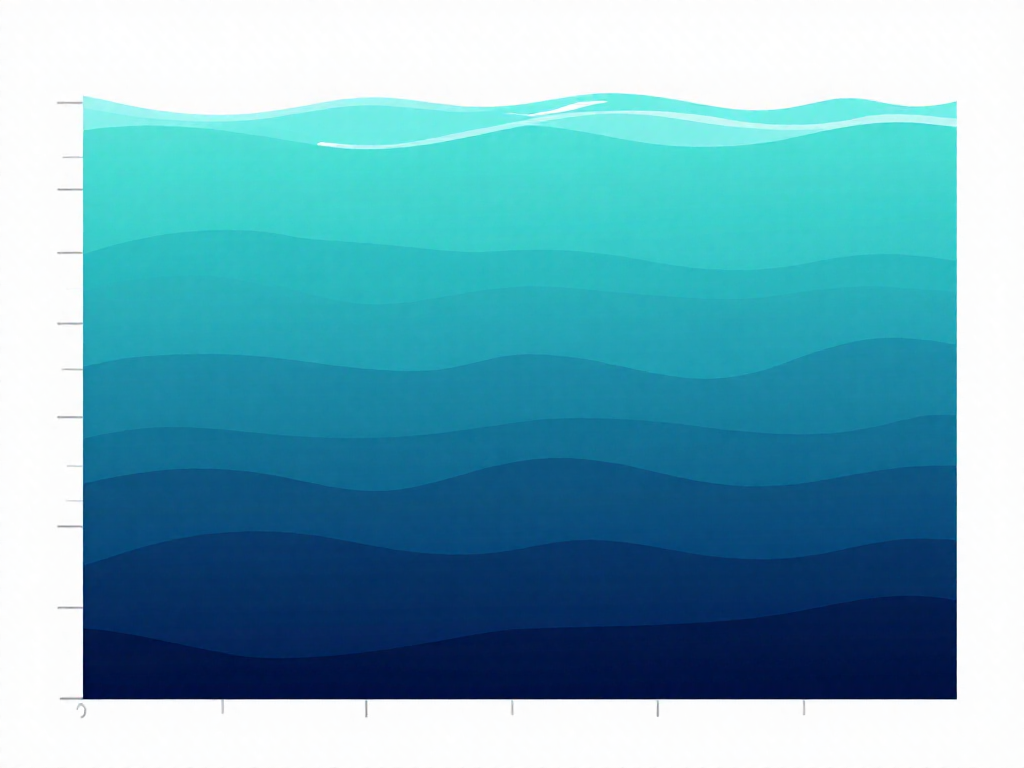
Imagine living somewhere with almost no light, crushing weight pressing in from every direction, and a dinner schedule so unpredictable you might wait weeks between meals. Welcome to the twilight zone (the ocean layer roughly 660 to 3,300 feet deep), where survival means solving three brutal problems at once.
1. Darkness. Sunlight fades fast underwater. By about 660 feet, less than 1% of surface light remains, and below 3,300 feet it's effectively pitch black. That means no plants can grow here (photosynthesis—the way plants make food from sunlight—simply can't happen without light), and most animals can barely see. How do you find food, dodge predators, or attract a mate in the dark?
2. Crushing pressure. Water is heavy, and it piles up the deeper you go. At 3,300 feet, the pressure is roughly 100 times greater than at the surface—like having the weight of a small car pressing on every square inch of your body. A typical surface fish brought down here would be in serious trouble.
3. Scarce, unpredictable food. With no plants at the base of the food chain, most meals drift down from above as "marine snow" (tiny falling bits of dead plankton and waste). Hunting is feast-or-famine, so animals can't afford to waste energy.
Here's the fun part: every one of these challenges has a clever animal solution. Up next, we'll see exactly how twilight-zone creatures turn the dark, the pressure, and the hunger to their advantage.
Bizarre Residents: A Quick Tour
Imagine a fish so common that scientists estimate they make up the bulk of all fish in the open ocean—yet most people have never heard of it. Welcome to the twilight zone's roll call of the strange, the glowing, and the gloriously weird.
Lanternfish may be the most abundant vertebrate (animal with a backbone) on Earth. These small fish are studded with light-producing organs called photophores, dotting their bellies and sides like rows of tiny portholes. The glow helps them blend into the faint light filtering from above, hiding their silhouette from predators looking up—a trick called counter-illumination.
Anglerfish take the opposite approach: instead of hiding light, they fish with it. A female anglerfish dangles a glowing lure from a stalk on her head, powered by light-making bacteria living inside it. Curious prey drift in for a closer look, and the anglerfish's huge mouth snaps shut. It's a living fishing rod, baited with light.
Vampire squid sound terrifying, but the name is misleading. Despite the cape-like webbing between its arms and red eyes, Vampyroteuthis infernalis (Latin for "vampire squid from hell") is a gentle eater. It drifts along collecting "marine snow"—the constant drizzle of dead plankton, droppings, and organic bits sinking from sunlit waters above. It's more of a deep-sea recycler than a hunter.
Bristlemouths and hatchetfish are the twilight zone's silvery multitudes. Bristlemouths are thought to be among the most numerous vertebrates on the planet, possibly numbering in the hundreds of trillions. Hatchetfish get their name from their thin, blade-like bodies and have upward-pointing eyes to spot prey (and danger) overhead, plus belly photophores for that same counter-illumination camouflage.
Then there are the big-mouth specialists like the gulper eel (also called the pelican eel). Food is scarce down here, so when a meal appears, you can't afford to be picky about size. The gulper eel's enormous, hinged jaws and balloon-like throat let it swallow prey larger than itself—a smart bet in a place where the next bite might be a long time coming.
The common thread? Every one of these animals is built around two deep-sea problems: finding food in a near-empty pantry, and either making light or hiding from it in a world of near-total darkness.
How Twilight Zone Animals Survive
Imagine living where the sun barely reaches, food drifts by only now and then, and the water above presses down like a stack of elephants. The animals of the ocean's twilight zone (the dim layer roughly 660 to 3,300 feet deep) pull it off with a toolkit of jaw-dropping adaptations.
They make their own light. Most twilight zone animals can glow, a trick called bioluminescence (light made by a chemical reaction inside the body). Scientists estimate that about 76% of ocean animals produce their own light. They use it to lure prey, startle predators, and flash signals to find mates in the dark.
They erase their own shadow. From below, any animal looks like a dark blob against the faint light filtering down from above. So many species glow on their bellies with exactly enough light to match the water overhead—a clever disguise called counter-illumination. The result: their silhouette vanishes, and hungry hunters looking up see nothing at all.
They have enormous, light-grabbing eyes. When every photon counts, big eyes win. Many fish here have oversized eyes, and some, like the barreleye fish, have tubular eyes pointed upward to spot the faint shadows of prey overhead. Their eyes act like the deep-sea version of a camera with the aperture cranked wide open.
They survive long stretches between meals. Food is scarce, so these animals don't waste energy. They tend to have slow metabolisms (the rate at which the body burns fuel), moving little and waiting patiently. When a meal finally appears, many can swallow prey larger than themselves, thanks to stretchy stomachs and hinged jaws—the black swallower fish can gulp down prey more than twice its own length.
Their soft bodies shrug off the pressure. Down here, the pressure can be dozens of times greater than at the surface. Instead of fighting it with rigid, air-filled parts that would be crushed, many twilight zone animals have soft, watery, gelatinous bodies. Because they're mostly water—and water barely compresses—the pressure inside matches the pressure outside, so they aren't squeezed flat.
Put it all together and you get creatures perfectly tuned to a world that would instantly defeat us: glowing, watchful, patient, and built from the inside out for life in the dark.
The Biggest Migration on Earth (You've Never Seen)
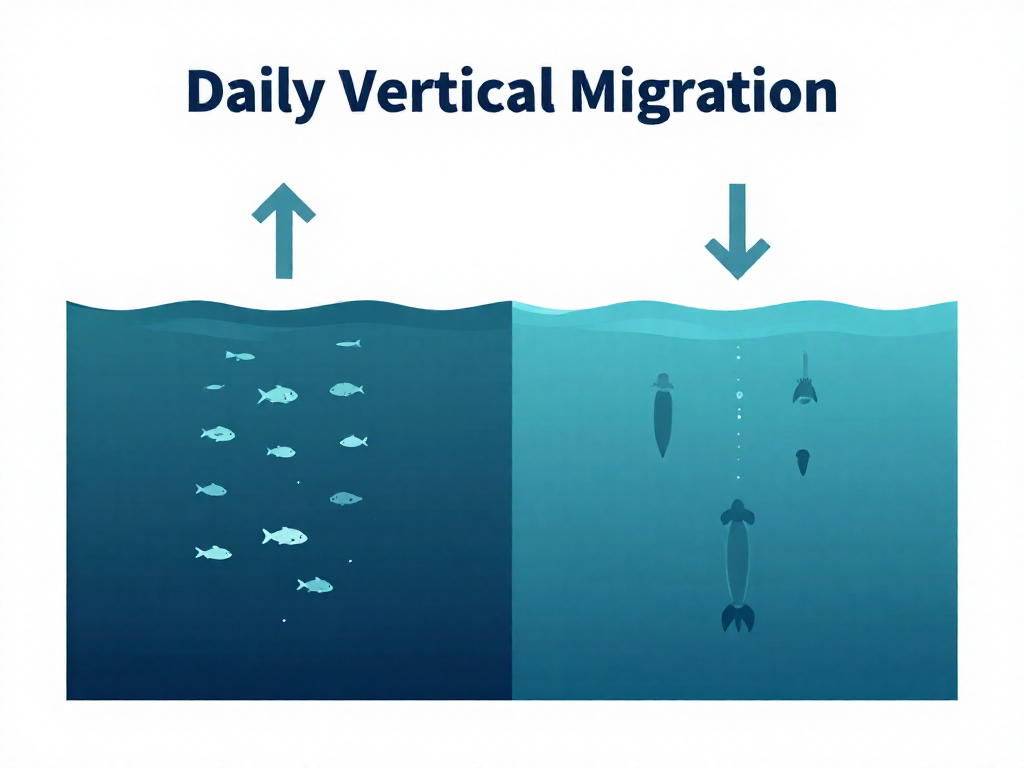
Every night, the largest animal migration on the planet happens in total darkness—and almost nobody sees it. Billions of small fish, squid, and shrimp-like creatures rise hundreds of feet from the twilight zone toward the surface, then sink back into the deep before dawn.
Scientists call this the diel vertical migration (a daily up-and-down movement tied to the cycle of day and night). It's not a one-time event. It repeats every single day, all over the world's oceans.
So why make such an exhausting commute? It comes down to a simple trade-off between food and safety:
- Food is at the top. The surface waters are where tiny plants and animals (plankton) thrive in sunlight, making them a rich buffet.
- Danger is also at the top. During daylight, hungry predators can easily spot a meal in the bright water.
- The solution: dine under cover of night. Animals swim up to feed in the dark, when it's harder for predators to see them, then retreat to the dim, deep twilight zone to hide during the day.
This nightly rush hour does more than feed the ocean—it helps move carbon, too. When these animals feed near the surface and return to the depths, they carry carbon downward in their bodies and waste, locking some of it away in the deep ocean.
It's a planet-sized commute, hidden in the dark, running on repeat beneath the waves.
Why the Twilight Zone Matters to Us
Here's the surprising part: a dark layer of the ocean you'll never visit might be helping keep your hometown's weather in check. The twilight zone (the ocean layer roughly 660 to 3,300 feet deep, where sunlight fades out) is one of Earth's biggest carbon vaults. When tiny surface creatures die or get eaten, their carbon-rich bodies and waste sink down here, locking away carbon that would otherwise warm the planet. Scientists call this the "biological carbon pump," and the twilight zone is a key part of it.
So why should you care? A few reasons:
- It slows climate change. By trapping carbon in the deep, this hidden layer quietly buffers the warming we feel up top.
- It could become a fishing frontier. The twilight zone may hold more fish biomass than the rest of the ocean combined—but harvesting it could disrupt that carbon pump in ways we don't yet understand.
- It's still mostly a mystery. Researchers discover new species here on a regular basis, meaning much of this world remains uncharted.
The quick takeaway: this shadowy middle layer isn't just weird and wonderful—it's a hidden engine that helps support the entire ocean, and us along with it.
See also
- How Anglerfish Use Light to Hunt in the Dark
- What Is Bioluminescence? Animals That Make Their Own Light
- The Deepest Fish Ever Found in the Ocean
- How Deep-Sea Creatures Survive Crushing Pressure
Related articles
My Unpopular Opinion: Stop Calling Them 'Killer' Whales
Why should we stop using the term 'killer whale'?
Jul 28, 2026 · 3 min read
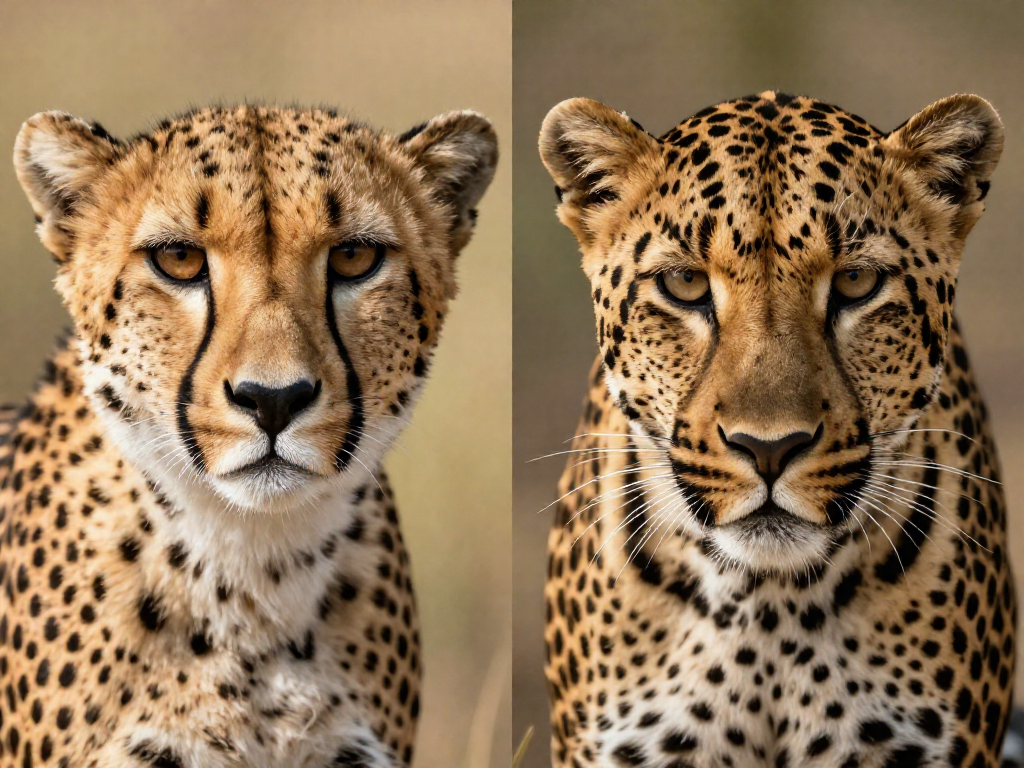
Cheetah vs. Leopard: Spotting the Difference in the Wild
How can you tell the difference between a cheetah and a leopard? Learn the key features including tear marks, spots, body shape, hunting styles, and sounds—all in one easy guide.
Jul 28, 2026 · 6 min read
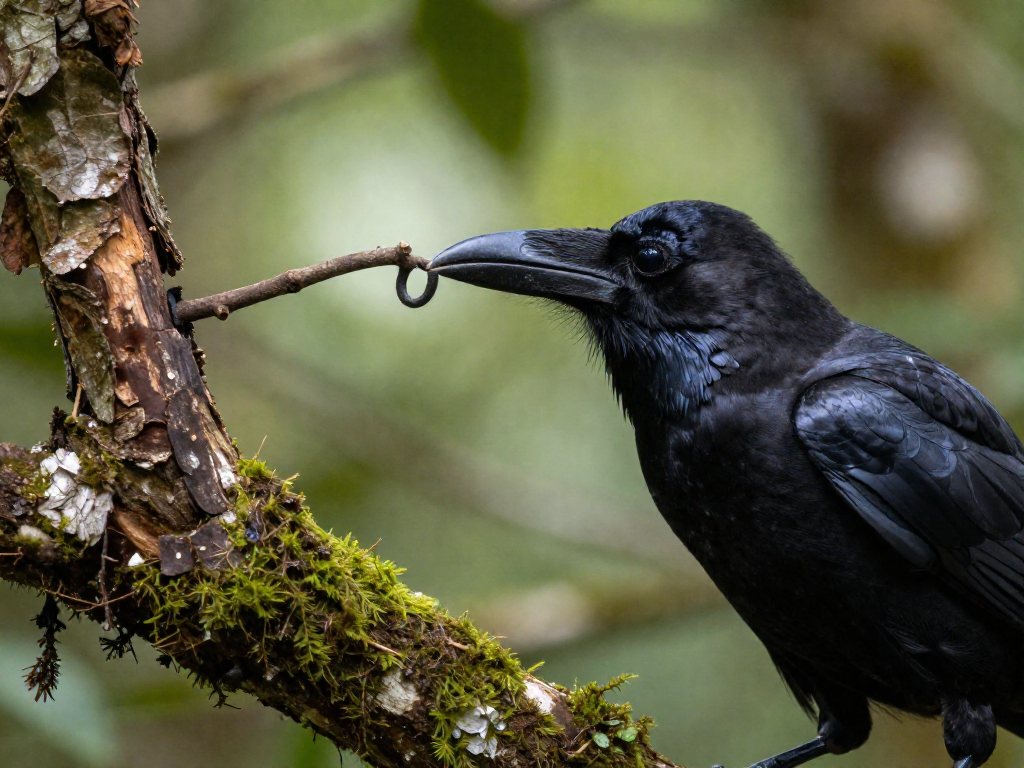
8 Animals That Use Tools (And What They Do with Them)
Which animals use tools, and how do they use them? From crows bending wires to octopuses carrying coconuts, discover 8 tool-using animals.
Jul 28, 2026 · 6 min read