The Axolotl Deep Dive: The Smiling Salamander That Never Grows Up
What makes the axolotl so unique among amphibians?
On this page
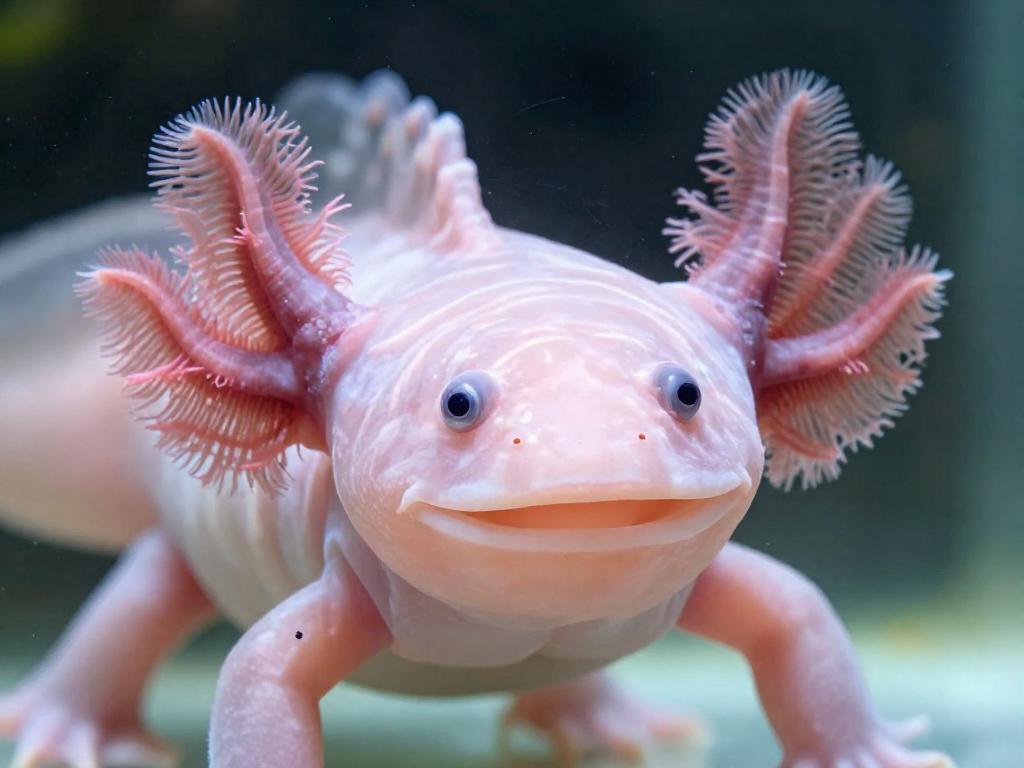
Open on the axolotl's permanent grin and frilly "headdress," then flip the cuteness into a mystery: this animal stays a baby for life, regrows entire limbs (and parts of its brain), yet is critically endangered in the one lake on Earth it calls home. Promise readers they'll understand all three by the end — no biology degree required.
Meet the Axolotl: A Salamander Frozen in Childhood
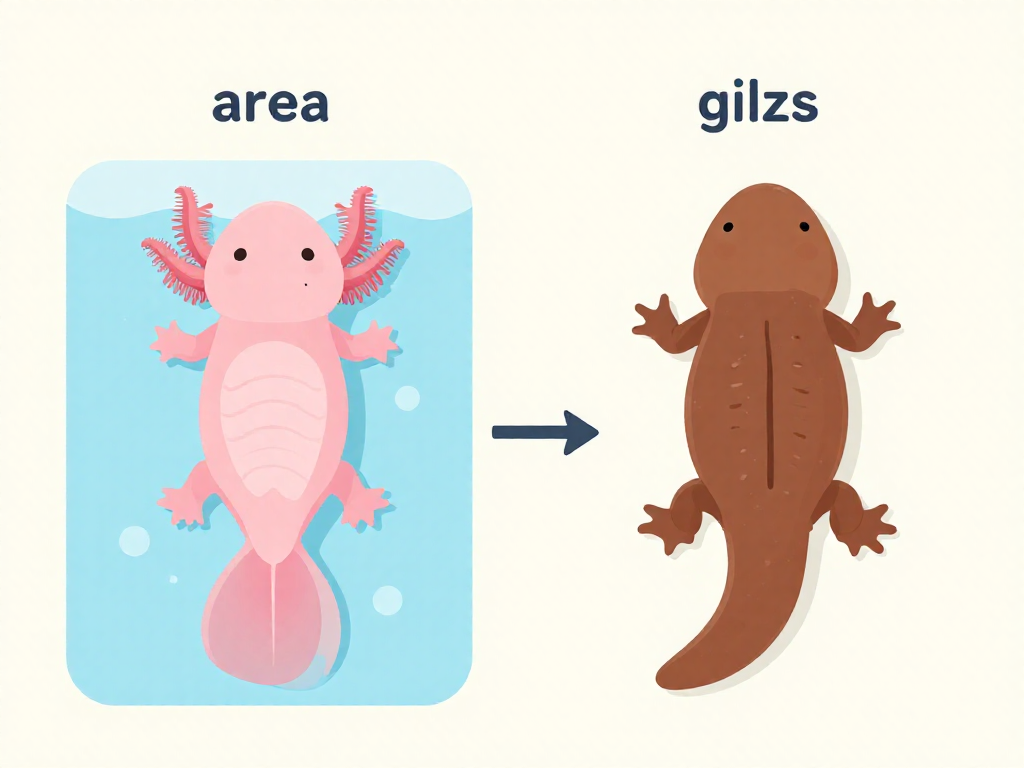
Here's the twist that makes the axolotl one of the strangest animals on Earth: it's a salamander that never grows up. Most salamanders hatch in water, then transform and crawl onto land as adults — but the axolotl skips that entire chapter, spending its whole life underwater looking like an oversized baby.
Quick answer: The axolotl (pronounced ACK-suh-lot-ul) is an amphibian — specifically a salamander — that keeps its juvenile, water-dwelling body for life, a trait scientists call neoteny (staying young into adulthood).
So no, despite living fully submerged, it is not a fish. Those frilly pink "antlers" fanning out behind its head are external gills — feathery organs it uses to pull oxygen straight from the water. The bushier and rosier they look, the more it's basically breathing through them.
And that famous "smile"? It isn't a sign of a happy mood — it's simply the natural shape of the axolotl's wide, upturned mouth. But that accidental grin is exactly why the internet fell in love, turning this little salamander into a meme, a plushie, and even a video-game star.
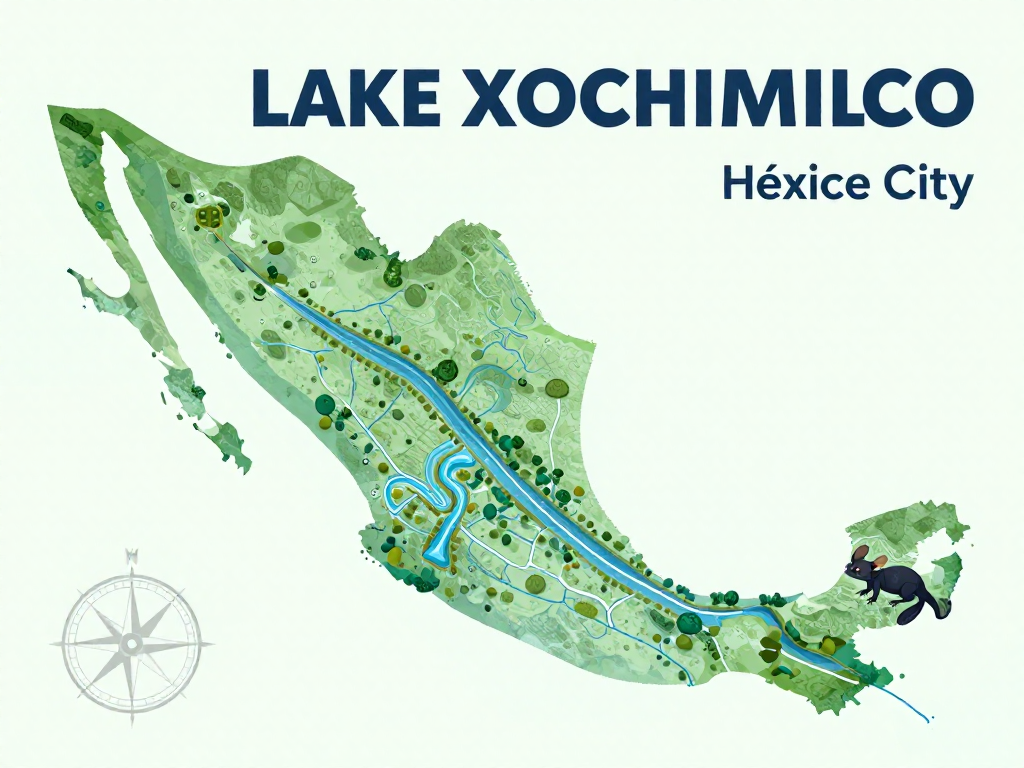
In the wild, the axolotl comes from just one place on the entire planet: the ancient lake and canal system of Xochimilco, near Mexico City. That single-home origin makes it both extraordinary and extremely vulnerable, a point we'll return to later.
Even its name carries deep history. "Axolotl" comes from the Aztec (Nahuatl) language and is tied to Xolotl, the god of fire and lightning, who — as the legend goes — disguised himself as a salamander to avoid being sacrificed. A mythical shapeshifter that refuses to change form: honestly, the name fits perfectly.
Neoteny: Why the Axolotl Never Grows Up
Imagine staying a kid forever — gills, fins, and all — while still growing up enough to start a family. That's the axolotl's whole life story. While almost every other salamander hatches in water, then transforms and crawls onto land, the axolotl simply skips the "move out and grow up" chapter.
Quick answer: Axolotls keep their baby (larval) features for life thanks to a trait called neoteny — staying youthful in body while still becoming an adult on the inside.
What "neoteny" actually means
Neoteny (pronounced nee-OT-uh-nee) just means holding onto juvenile features into adulthood. For the axolotl, that means it never trades its feathery external gills, broad tail fin, and fully aquatic lifestyle for the land-dwelling, lung-breathing adult form most salamanders adopt.
Here's the kicker: even though an axolotl looks like a permanent baby, it still becomes sexually mature (able to reproduce). So you get a fully grown, egg-laying adult that still looks — and lives — like a larva. It's the animal kingdom's version of never leaving the pool.
The thyroid hormone connection
So why do most salamanders morph but axolotls don't? It comes down to a chemical signal. In a typical salamander, the thyroid gland releases thyroid hormone (the body's "time to grow up" trigger), which kicks off metamorphosis — gills shrink, lungs develop, and the animal heads for land.
In axolotls, that signal essentially never gets loud enough. Their bodies produce very little thyroid hormone, and the metamorphosis process stalls before it begins. The result is an animal that stays in water-baby mode for its entire life.
Can an axolotl ever morph?
Yes — but it's rare and risky. In labs, scientists have triggered metamorphosis by exposing axolotls to thyroid hormone (such as iodine or thyroxine). A few wild-type individuals have even morphed on their own under certain conditions.
The catch is that a morphed axolotl tends to fare poorly. Forced metamorphosis is stressful, often shortens the animal's lifespan, and pushes its body to do something it isn't built for. Researchers don't recommend it, and it should never be attempted at home.
Don't try this with a pet. Manipulating an axolotl's hormones or environment to force a transformation can seriously harm or kill the animal. Leave that to trained scientists in controlled settings, and talk to a veterinarian or aquatic specialist with any care questions.
In short, the axolotl's forever-young look isn't a quirk of appearance — it's a deep biological strategy, written into its hormones, that lets it thrive without ever growing up.
The Regeneration Superpower That Stuns Scientists
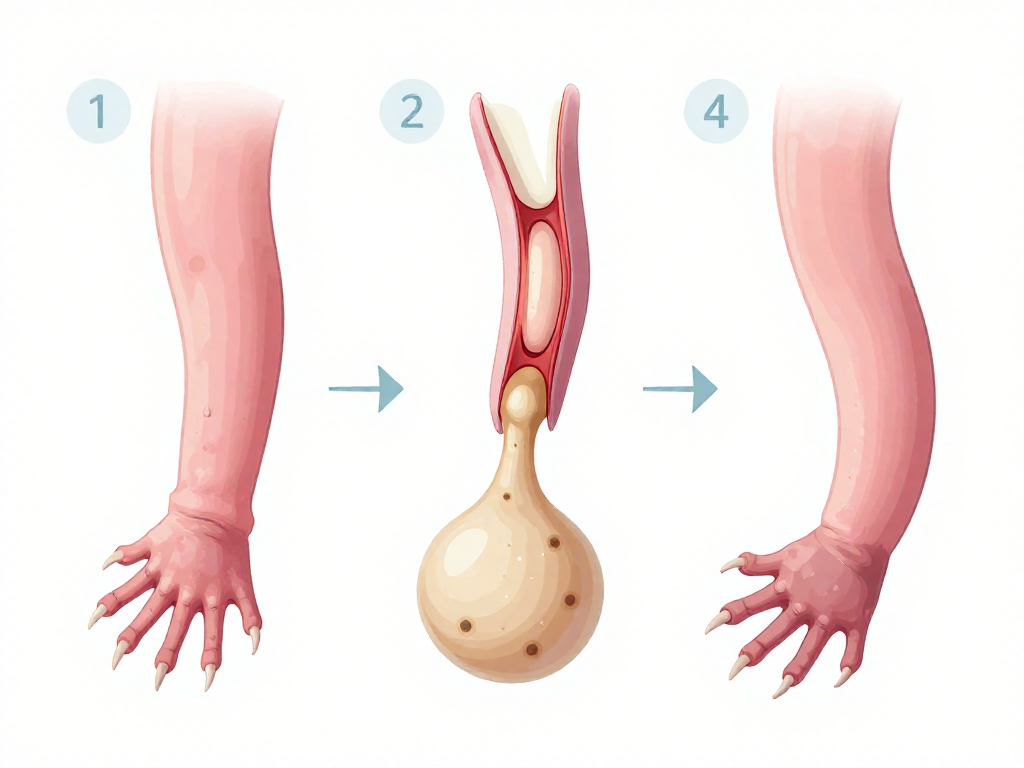
Lose a leg, grow it back—perfectly. The axolotl can regrow an entire limb, its tail, parts of its heart, and even sections of its spinal cord and brain, and it does this over and over throughout its life. No other animal this complex pulls off the trick so completely.
The best part? No scars. When most animals heal, they patch the wound with tough scar tissue. The axolotl skips that step. Within weeks, a fresh limb appears with new bone, muscle, nerves, and skin—a fully working leg, not a stubby placeholder. The replacement is so precise that it matches the original in size and shape.
How does it actually work?
The magic happens at the injury site, where cells form a blob called a blastema (a cluster of cells that rewinds to an early, flexible state). Think of it as a tiny construction crew that reads the body's blueprint and rebuilds exactly what's missing. These cells "reset," figure out which part was lost, and then grow back the right structure in the right place—an elbow if it's an elbow, a wrist if it's a wrist.
Even more astonishing, axolotls can accept transplanted body parts from other axolotls without rejecting them the way humans reject mismatched organs. Researchers have grafted limbs and tissue between individuals, and the animals simply incorporate them.
Why scientists are obsessed
Here's the kicker: humans share many of the same genes axolotls use to regenerate. We just don't switch them on the same way. That makes the axolotl a superstar in regenerative medicine (the science of regrowing damaged tissue and organs). If researchers can crack how a blastema decides what to rebuild, the lessons could one day inform how we heal spinal cord injuries, repair hearts after a heart attack, or recover from severe wounds without scarring.
That's why labs around the world keep colonies of these smiling salamanders. The axolotl genome—mapped in 2018 and one of the largest ever sequenced, roughly ten times the size of the human genome—gave scientists a detailed playbook to start decoding.
So the next time you see an axolotl grinning back at you from a tank, remember: behind that goofy face is one of biology's greatest unsolved puzzles—and possibly a clue to the future of medicine.
Daily Life: How Axolotls Eat, Hunt, and Survive
Here's a surprising twist: the axolotl doesn't really bite its food—it inhales it. When prey drifts close enough, the axolotl snaps its jaws open and creates a sudden vacuum, slurping the meal straight into its mouth in a single fast gulp. Scientists call this "suction feeding," and it happens faster than you can blink.
So what's on the menu? Axolotls are pure carnivores (meat-eaters), and in the wild they hunt:
- Worms and aquatic insect larvae
- Small fish
- Crustaceans, like tiny shrimp and water fleas
- Insects that wander too close to the water
Quick answer: Axolotls are bottom-dwelling carnivores that find food by smell and motion, then vacuum it up with a lightning-fast gulp.
You might expect a hunter to have sharp eyes, but the axolotl barely relies on sight at all. Its eyesight is poor, so it leans on two other senses instead: a keen sense of smell and a remarkable ability to detect tiny movements in the water. When something wiggles nearby, the axolotl turns toward the ripple and strikes.
This makes sense once you picture where they live. Native only to a few lake and canal systems near Mexico City, axolotls are cool-water animals that hang out near the murky lake bottom—a dim place where good eyesight wouldn't help much anyway. Staying low also keeps them close to the worms and crustaceans hiding in the sediment.
Given all this lurking and lounging, how long does an axolotl live? In the wild, environmental pressures shorten their odds, but a healthy axolotl typically lives 10 to 15 years, and some in human care have lived even longer. For a creature that never fully "grows up," that's a surprisingly long life.
Why That Famous Smile Comes in So Many Colors
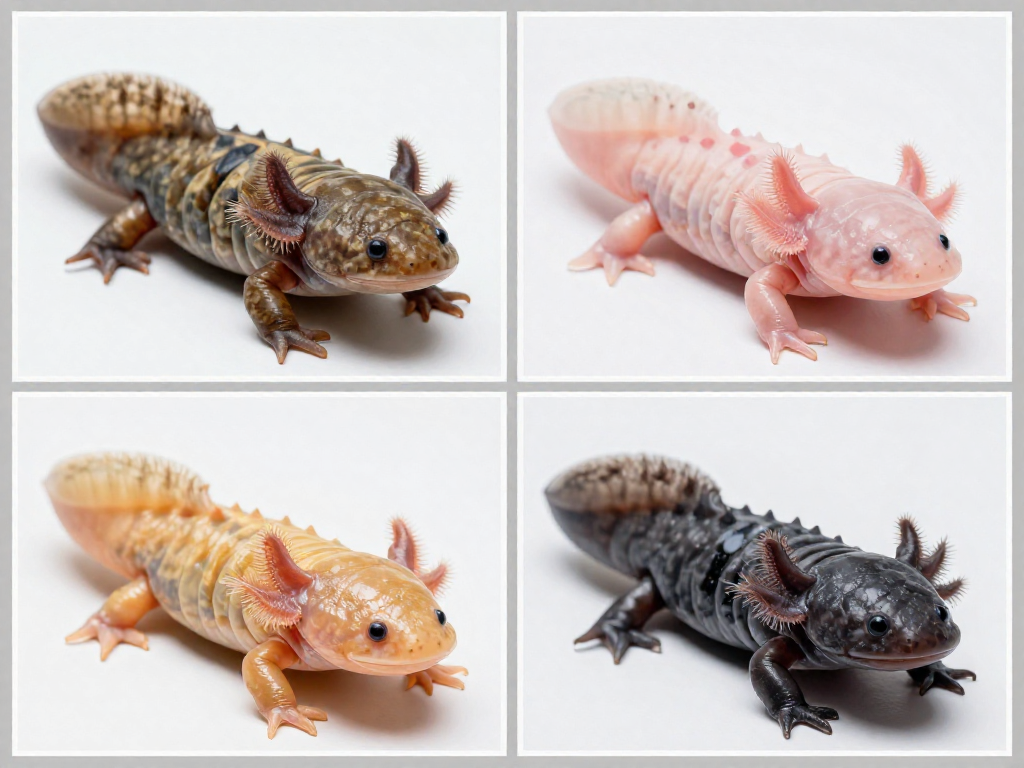
That dreamy bubblegum-pink axolotl you've seen all over the internet? It's almost never what you'd find swimming in the wild. The famous pink-and-white look is a captive-bred variety called leucistic (pale skin but normal dark eyes), prized by breeders precisely because it stands out.
Out in their native lake system near Mexico City, wild axolotls are usually dark, mottled brown — perfect camouflage for blending into muddy water and dodging predators. A glowing pink salamander would basically be a snack with a spotlight on it, which is why that look is so rare in nature.
Selective breeding has unlocked a whole rainbow of color forms (called morphs):
- Golden albino — yellow-gold with shiny, pinkish eyes
- Melanoid — solid dark, with no shimmer or gold flecks
- Copper — warm, freckled light brown
- GFP — carries a jellyfish gene that makes them glow green under UV light, originally added for lab research
So the next time you spot that iconic smiling face, remember: most of those pretty colors are human-made, not wild-grown.
Critically Endangered in the Wild — But Everywhere in Tanks
Here's the heartbreaking twist behind that famous smile: the axolotl is barely hanging on in the wild, yet there are more of them than ever before. How can an animal be both nearly extinct and practically everywhere?
The answer comes down to where you look. Wild axolotls live in just one place on Earth — the canals and wetlands of Xochimilco, in southern Mexico City. And that home is in serious trouble. A 2014 survey could barely find any axolotls at all, and the IUCN lists the species as Critically Endangered. Decades of pollution, sprawling urban growth, and the loss of clean water have shrunk their habitat. Worse, non-native fish like carp and tilapia — introduced to Xochimilco — gobble up axolotl eggs and young.
The Strange Paradox
Now the surprising part. While wild numbers crashed, captive axolotls boomed. Thousands live in research labs (where scientists study their regeneration), in public aquariums, and in home tanks around the world. So the species you can buy at a pet store is, in the wild, one of the rarest amphibians on the planet.
But — and this matters — captive animals don't undo the damage. Lab and pet axolotls are often inbred or even hybridized with other salamanders, so they don't carry the full genetic diversity (the natural variety in a population's DNA that helps it adapt and stay healthy) of their wild cousins. Save the tank population, and you still lose something irreplaceable in Xochimilco.
Hope in the Canals
The good news: people are fighting back. Scientists at Mexico's UNAM and local farmers are partnering to clean the canals and build chinampa-based refuges — safe, filtered patches of traditional farmland where axolotls can live free of invasive fish.
What can you do from home? A few simple things:
- Support conservation groups working in Xochimilco rather than buying wild-caught animals.
- Keep pollution out of waterways — what goes down storm drains affects wetlands everywhere.
- Share the science. The more people who know this little smiler is in trouble, the more pressure there is to protect its one and only home.
Quick Axolotl Facts at a Glance
Short on time? Here's the axolotl in one scannable burst — perfect for pinning or sharing.
- Type: Amphibian — a salamander that keeps its larval (baby) form for life, a trait called neoteny.
- Native home: Just one place on Earth — the lake and canal system of Xochimilco, near Mexico City.
- Size: Roughly 6–12 inches long, about the length of a new pencil up to a banana.
- Diet: Carnivore — it vacuums up worms, small fish, insects, and tiny crustaceans by suction.
- Lifespan: Around 10–15 years in human care, far longer than most pet amphibians.
- Superpower: Can regrow legs, tails, parts of the heart, and even bits of brain — scar-free.
- Conservation status: Critically Endangered in the wild, with possibly only hundreds left, yet thousands thrive in tanks and labs worldwide.
Sources: IUCN Red List, Smithsonian's National Zoo.
See also
- Other animals with amazing regeneration abilities
- Most surprising amphibian facts
- Critically endangered animals you've never heard of
- Animals that look like they're always smiling
- Strange creatures found in only one place on Earth
Related articles

My Unpopular Opinion: Stop Calling Them 'Killer' Whales
Why should we stop using the term 'killer whale'?
Jul 28, 2026 · 3 min read
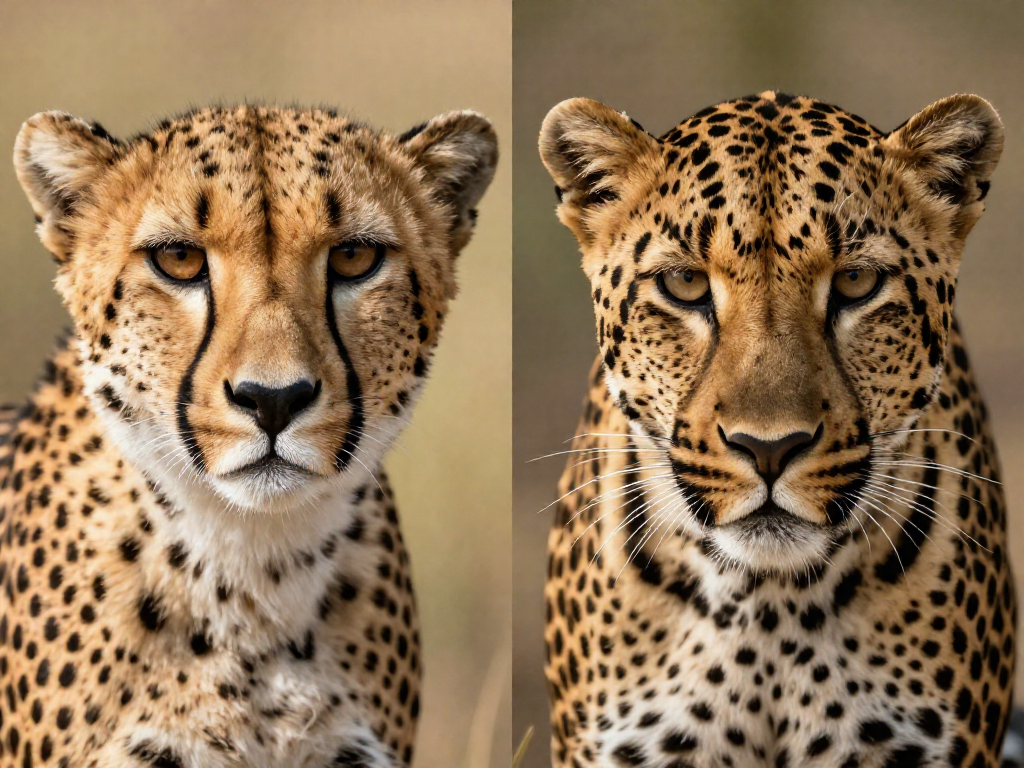
Cheetah vs. Leopard: Spotting the Difference in the Wild
How can you tell the difference between a cheetah and a leopard? Learn the key features including tear marks, spots, body shape, hunting styles, and sounds—all in one easy guide.
Jul 28, 2026 · 6 min read
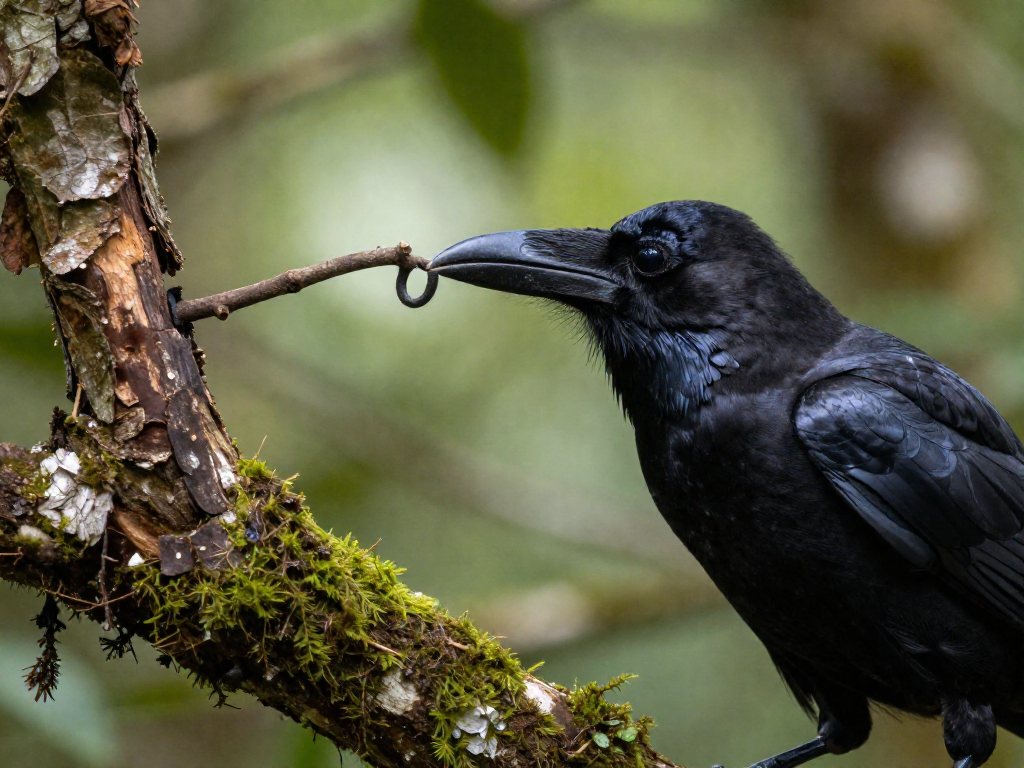
8 Animals That Use Tools (And What They Do with Them)
Which animals use tools, and how do they use them? From crows bending wires to octopuses carrying coconuts, discover 8 tool-using animals.
Jul 28, 2026 · 6 min read