10 Animals With the Most Bizarre Diets on Earth
What are the strangest things animals eat to survive?
On this page
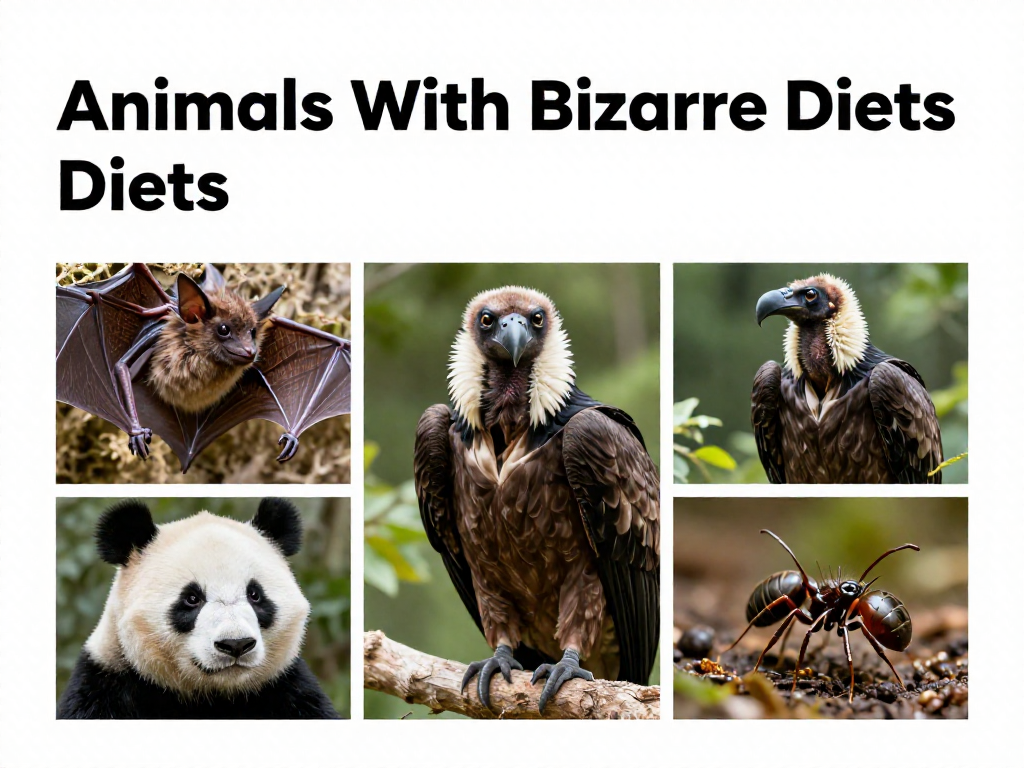
Why Some Animals Eat the Weirdest Things
Some animals dine on rocks, bones, blood, or even their own kind's leftovers — and it's not because they're picky in reverse. A "gross" menu is usually a survival superpower in disguise.
When an unusual food source goes ignored by everyone else, it becomes an open niche (a job or role in an ecosystem) with almost no competition. An animal that can stomach it wins an all-you-can-eat buffet to itself.
Pulling that off takes special tools:
- Gut bacteria that break down tough material like wood or wax
- Powerful enzymes that dissolve bone, shell, or toxins
- Clever behaviors, like soaking, storing, or pre-treating food before eating
So as you read on, remember: what looks revolting to us is often pure genius in nature.
1. Vampire Bats: A Liquid Diet of Blood
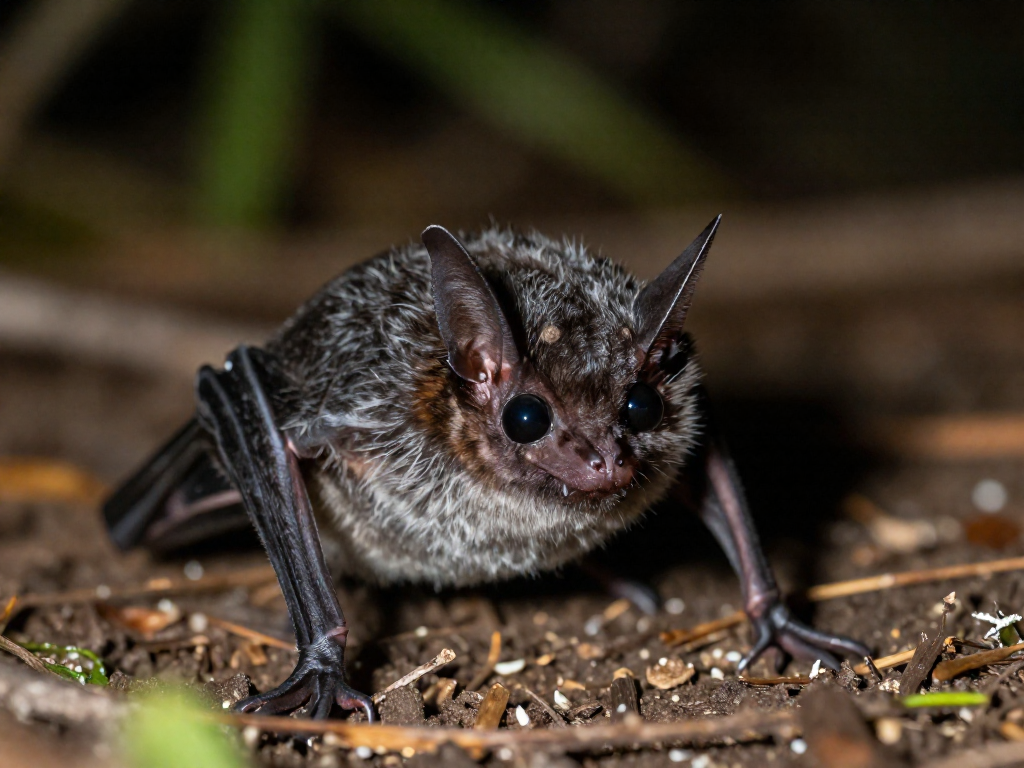
Imagine surviving on nothing but blood for your entire life. That's exactly what the vampire bat does — it's the only mammal on Earth that lives entirely on a blood diet (a habit scientists call sanguivory).
Found across Latin America, these tiny bats weigh about as much as a few grapes. After dark, they find a sleeping cow, pig, or bird, make a painless nick with razor-sharp teeth, and lap up the blood. Their saliva contains a natural anticoagulant (a chemical that stops blood from clotting), so it keeps flowing while they feed — researchers actually nicknamed the compound "Draculin."
Here's the heartwarming twist: a bat that fails to find a meal can starve in just two nights. So well-fed roost-mates will throw up a share of their blood meal to feed a hungry neighbor — one of the animal kingdom's clearest examples of food-sharing.
2. Vultures: Rotting Meat Without Getting Sick
Imagine eating a week-old carcass crawling with bacteria and walking away perfectly healthy. That's just lunch for a vulture. These birds feast on rotting meat (carrion) laced with microbes that would land most animals in serious trouble.
Their secret weapon is a brutally acidic stomach. Vulture gut acid is roughly 100 to 1,000 times stronger than ours, strong enough to destroy deadly bacteria like the ones that cause anthrax and botulism before they can do harm.
Even their famous bald heads serve a purpose. Without feathers to trap gore, their skin stays cleaner when they reach deep inside a carcass.
The payoff goes way beyond the vulture. By cleaning up dead animals fast, vultures act as nature's sanitation crew, stopping diseases from spreading to other wildlife and to people.
3. Termites: Eating Wood (With a Little Help)
Here's the twist: termites can't actually digest wood on their own. The insect famous for chewing through fallen logs—and the occasional porch—relies on a hidden crew of helpers living inside its gut.
Wood is mostly cellulose (the tough fiber that gives plants their structure), and no animal makes the right enzyme to break it down efficiently. So termites outsource the job. Their guts are packed with symbiotic microbes—single-celled protozoa and bacteria—that ferment cellulose into nutrients the termite can absorb. It's a partnership: the microbes get a safe home and a steady food supply, and the termite gets a meal it could never process alone.
The payoff is huge. By recycling enormous amounts of dead wood, termites return nutrients to the soil and keep forests healthy—tiny janitors with a microbial workforce.
4. Bearded Vulture: The Bird That Eats Bones
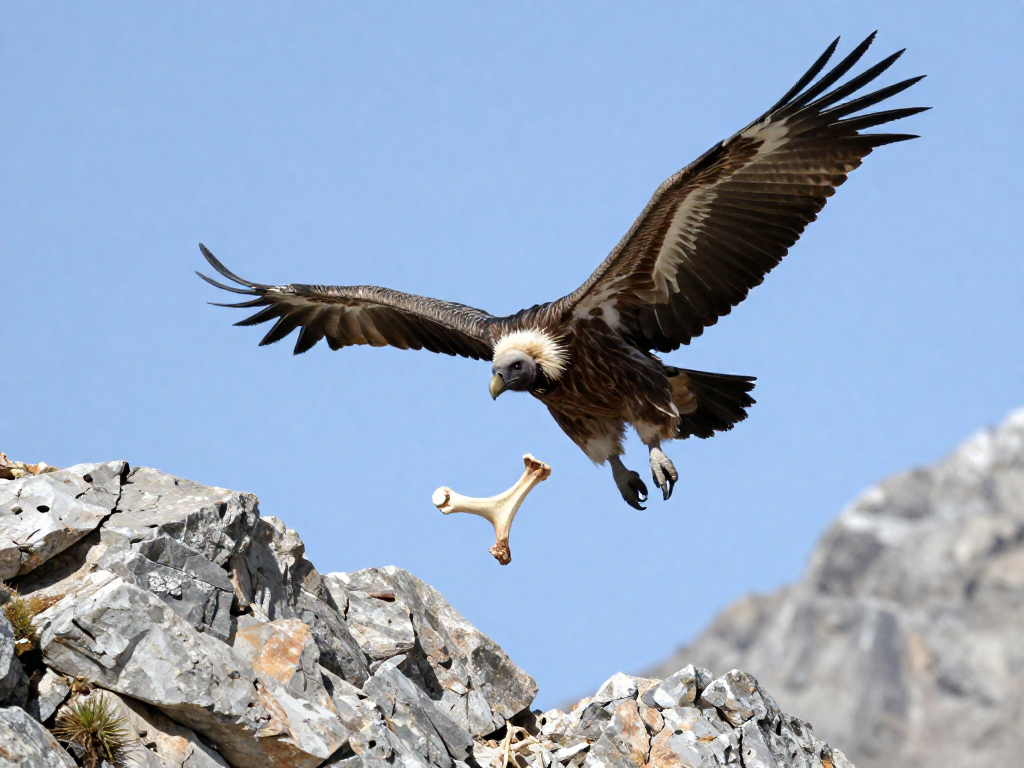
Imagine a meal that's almost entirely bones—not the meat on them, the actual bones. That's everyday dining for the bearded vulture (also called the lammergeier), whose diet is roughly 70–90% bone. This habit even has a name: osteophagy (eating bones).
So how does a bird swallow a skeleton? For pieces too big to gulp, it carries them high into the air—sometimes hundreds of feet—and drops them onto rocks until they shatter into bite-sized shards. These birds are such pros that scientists call their favorite drop spots "ossuaries."
The real magic happens inside. A bearded vulture's stomach acid is extraordinarily strong (around pH 1, close to battery acid), letting it dissolve bone to release the rich marrow and minerals locked inside.
A bird that turns leftovers nobody else wants into a full meal? Pretty incredible.
5. Pandas: A Bear That Lives on Bamboo
Here's the twist: the giant panda has the digestive system of a meat-eater, yet it spends its life munching grass. Pandas belong to the bear family and still carry a short, simple carnivore gut, but roughly 99% of their diet is bamboo — a tough plant their bodies aren't built to digest efficiently.
That mismatch creates a problem: bamboo offers very little energy. To make up for it, a panda must eat a staggering 20–40 pounds of bamboo every day. Getting that much food takes time, so pandas spend up to 12 hours a day simply eating, leaving little room for much else.
So while the panda looks like a cuddly snack-lover, it's really running a full-time job just to stay fed — a bear surviving on a salad its stomach never fully signed up for.
6. Koalas: Toxic Leaves on the Menu
Imagine eating a meal that could poison nearly any other animal—then going back for more, every single day. That's life for the koala, which dines almost exclusively on eucalyptus leaves loaded with toxins and stingy on nutrients.
So how do they survive? Koalas have a specialized liver that breaks down the leaf toxins, plus a long gut section called the cecum (a fermentation chamber that helps digest tough plant fiber). Together, these turn a deadly salad into a workable meal.
But there's a catch. Because eucalyptus offers so little energy, koalas conserve every calorie by resting up to 20 hours a day. That famous sleepiness isn't laziness—it's a clever survival strategy for living on one of nature's least nourishing diets.
7. Dung Beetles: Recycling Poop Into a Meal
Yes, really—dung beetles eat poop, and they're surprisingly picky about it. To these insects, a fresh pile of manure is a buffet, a drink, and a nursery all rolled into one.
Here's how it works:
- Dinner and a drink: Adults slurp up the moist, nutrient-rich liquid in dung, which supplies both food and water.
- A nursery for the kids: Many species roll dung into balls, bury them, and lay an egg inside so the hatching larva has a meal waiting.
- Free cleanup crew: By burying tons of waste, they fertilize soil, recycle nutrients, and bury the eggs of flies and parasites before they spread.
The payoff is huge. In Australia, imported dung beetles were used to clear cattle pastures of manure that native beetles ignored—proof that one animal's gross-out meal is an ecosystem's reset button.
8. Sea Cucumbers: Eating Sand and Sediment
Imagine eating a mouthful of beach—on purpose, all day long. That's the daily menu for sea cucumbers, soft-bodied relatives of starfish that live on the ocean floor.
These slow movers swallow sand and mud, then digest the tiny scraps of organic matter (bits of dead plants, animals, and microbes) hidden inside. Whatever they can't use comes out the other end as cleaner, recycled sand.
That makes them the seafloor's living vacuum cleaners. By feeding this way, sea cucumbers help keep ocean sediments healthy and recycle nutrients back into the food web—a surprisingly important job for an animal that basically eats the ground beneath it.
9. Hoatzin: The "Stinkbird" That Ferments Leaves
Imagine a bird that digests like a cow—and smells a bit like a barnyard, too. The hoatzin (pronounced wat-seen), a turkey-sized bird of South America's Amazon basin, is the only known bird to ferment its food in its foregut, the way cattle, deer, and goats do.
Most of its diet is leaves, which are tough and low in nutrients. So the hoatzin relies on foregut fermentation, where helpful gut bacteria break down leaves before digestion. That slow bacterial brewing releases odors that give the bird its famous nickname: the "stinkbird."
The payoff? It can survive on a leafy menu few other birds could stomach—an utterly unusual trick in the bird world.
10. Honeypot Ants: Living Storage Tanks of Nectar
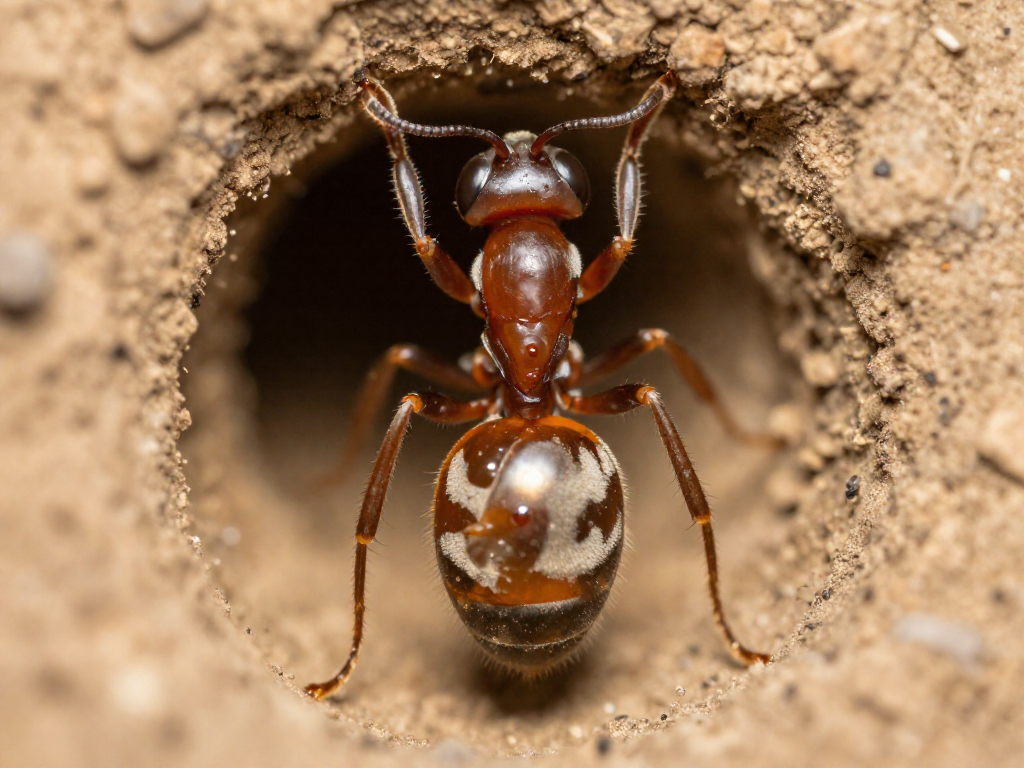
Imagine an ant so stuffed with sweet nectar that its belly swells to the size of a grape. That's a real job in honeypot ant colonies, where certain workers (called "repletes") become living pantries for everyone else.
When food is plentiful, other ants feed these specialists mouthfuls of sugary liquid until their abdomens balloon into glistening amber spheres. The repletes then hang motionless from the ceilings of underground chambers, doing one thing: storing food.
During dry spells when flowers and prey disappear, the colony comes calling. A hungry nestmate taps a replete, and it regurgitates a droplet of nectar straight into the other ant's mouth—a built-in emergency supply.
People in parts of Australia and Mexico have even dug up these ants to enjoy the nectar as a natural sweet treat.
What These Bizarre Diets Teach Us
From blood-sipping bats to bone-crunching vultures, these strange menus aren't accidents — they're survival superpowers. Each animal evolved to claim a food source few others could touch, turning a "gross" meal into a winning strategy.
Better yet, many of these eaters keep our world clean. Vultures and dung beetles recycle waste, termites break down dead wood, and sea cucumbers tidy the seafloor. Their odd appetites quietly support entire ecosystems.
Which bizarre diet surprised you most? Share this list with a fellow animal lover, and explore our other wildlife explainers to keep the wonder going.
See also
- Amazing Animal Facts category page
- Animals with the most unusual adaptations
- Surprising facts about vultures
- How pandas survive on bamboo
- The weirdest insects on Earth
Related articles
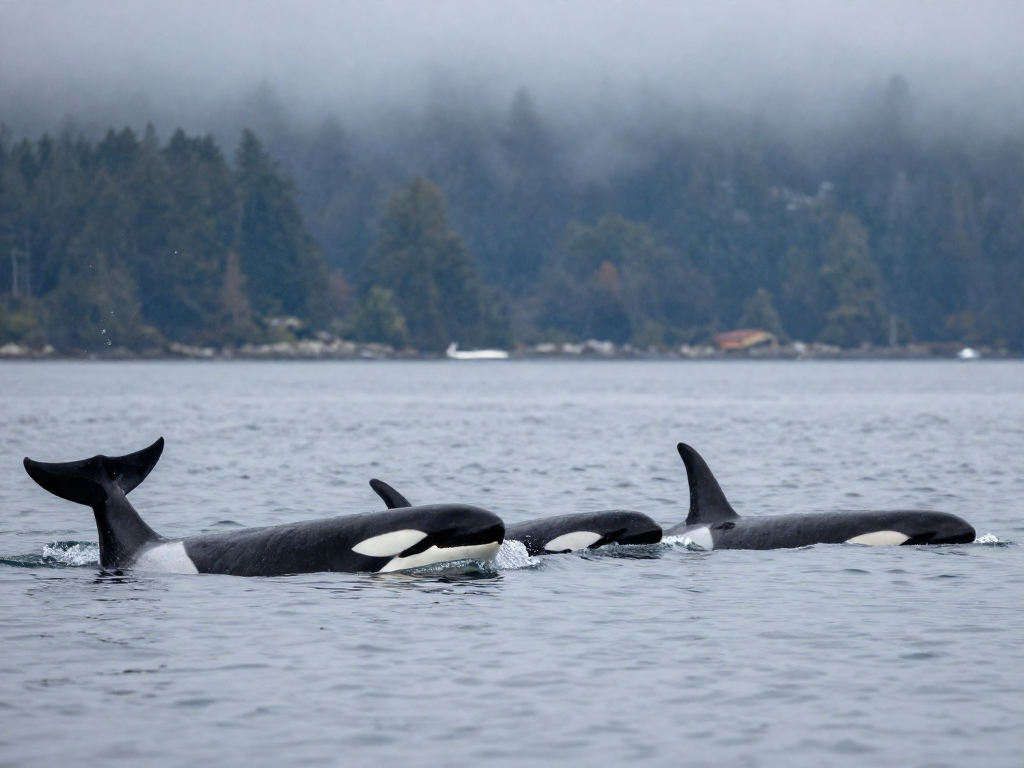
My Unpopular Opinion: Stop Calling Them 'Killer' Whales
Why should we stop using the term 'killer whale'?
Jul 28, 2026 · 3 min read
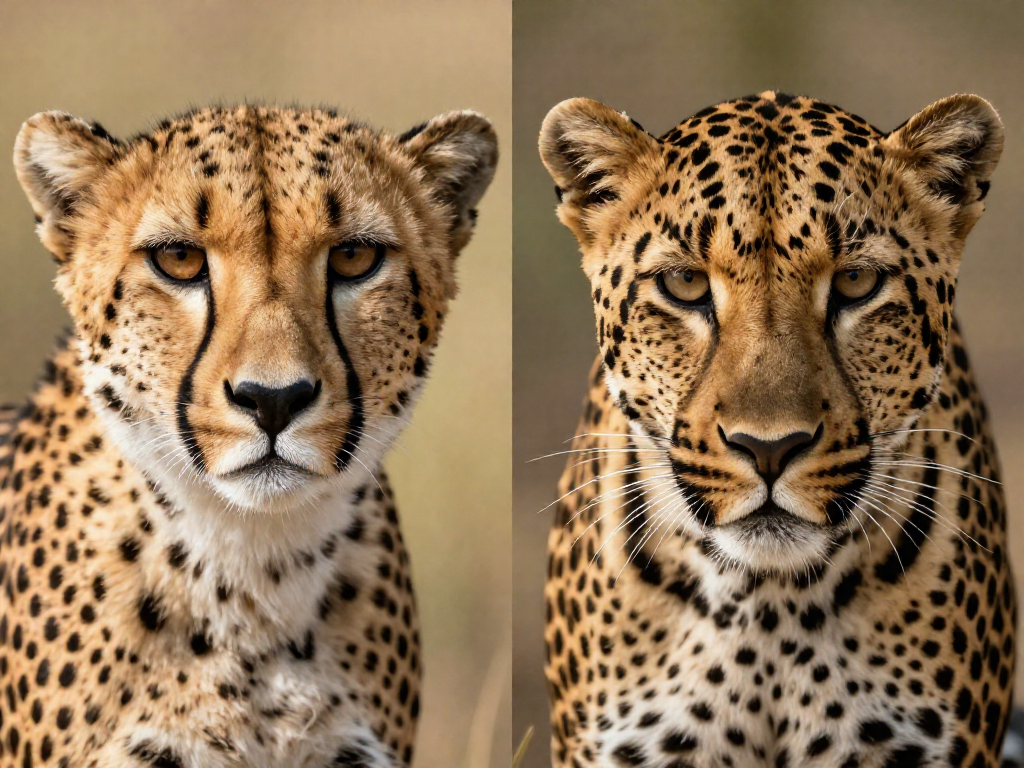
Cheetah vs. Leopard: Spotting the Difference in the Wild
How can you tell the difference between a cheetah and a leopard? Learn the key features including tear marks, spots, body shape, hunting styles, and sounds—all in one easy guide.
Jul 28, 2026 · 6 min read
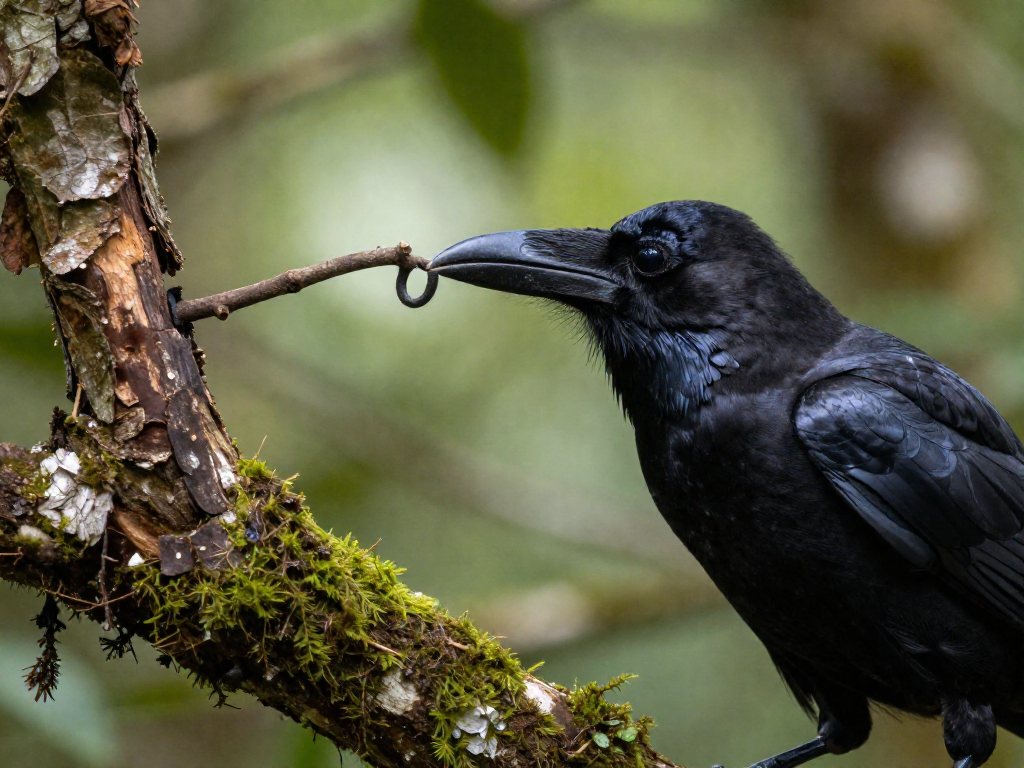
8 Animals That Use Tools (And What They Do with Them)
Which animals use tools, and how do they use them? From crows bending wires to octopuses carrying coconuts, discover 8 tool-using animals.
Jul 28, 2026 · 6 min read