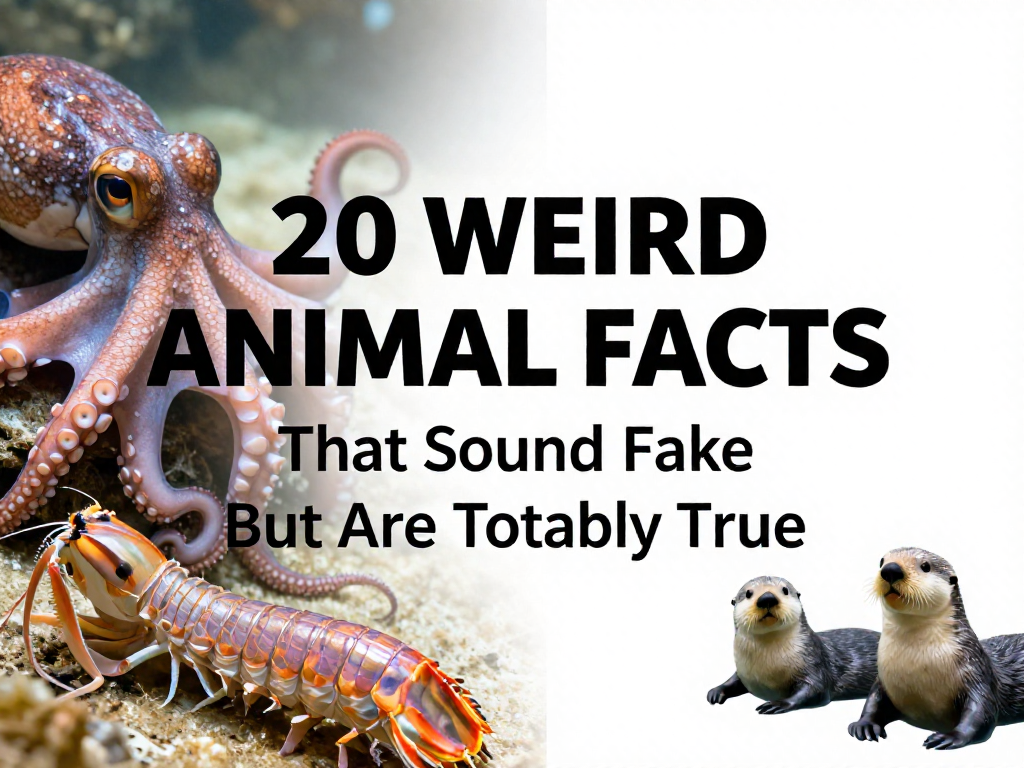
20 Weird Animal Facts That Sound Fake But Are Totally True
What are some surprising animal facts that are real despite sounding made up?
On this page
Why These Weird Facts Are Actually True (Not Internet Myths)
Yes, some sea creatures really do clone themselves, and yes, a few animals can technically survive in space. Sound fake? We thought so too—until we checked the science.
Here's our promise: every fact in this article is backed by biologists or peer-reviewed research, not a screenshot someone made up for clicks. Wild animal facts get twisted online all the time. A real study says "this species can survive extreme conditions," and three shares later it becomes "this animal is immortal." The kernel of truth gets buried under exaggeration.
That's why each entry below includes a short "why it's true" explanation, with sources you can check yourself. No jargon, no mystery—just the actual reason nature pulled it off.
Find a fact that blows your mind? Screenshot it and share it. Now your wild claim comes with receipts.
Body & Anatomy Facts That Sound Impossible
Some of the strangest animals on Earth are walking (or swimming) proof that biology loves to break its own rules. Here's the first batch of "wait, that can't be real" facts about animal bodies — each one totally true.
-
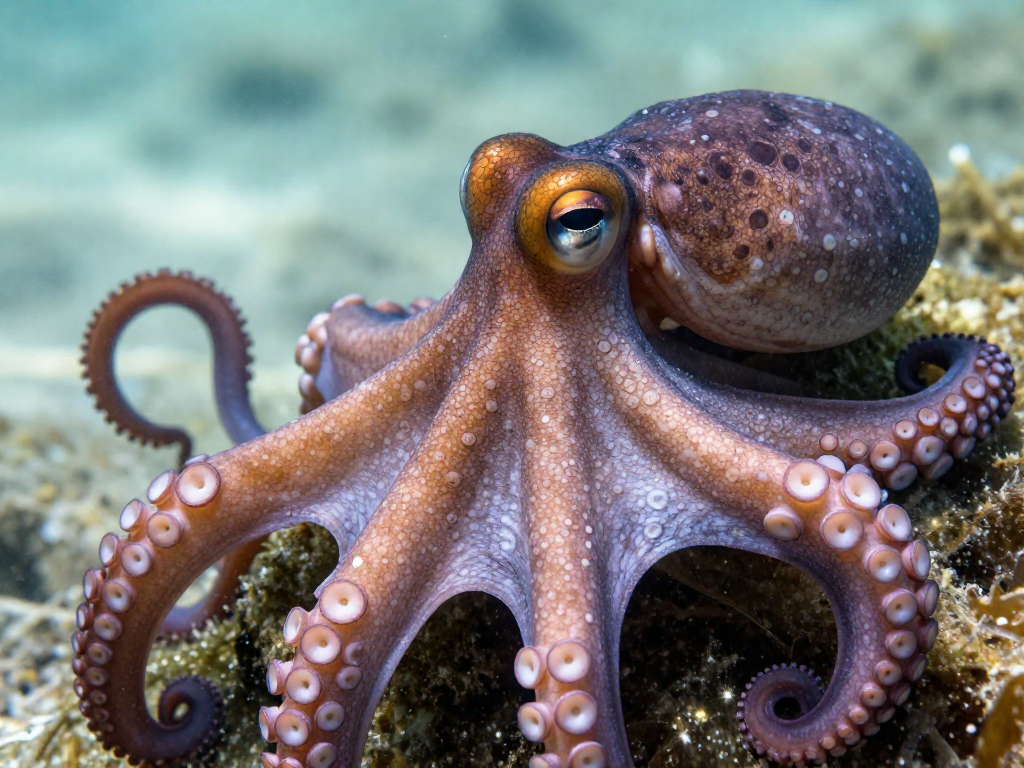
Octopuses have three hearts and blue blood. Two hearts pump blood to the gills, while a third pushes it around the rest of the body. Their blood is blue because it uses a copper-based molecule called hemocyanin (instead of the iron-based hemoglobin in our red blood) to carry oxygen, which works better in cold, low-oxygen ocean water.
-
A shrimp's heart is in its head. Thanks to a shrimp's body plan, most of its vital organs — including the heart — are tucked into the thorax, the section right behind the eyes that looks like the "head." So that little heart is beating away just above the brain, not down in the tail you peel.
-
Wombats produce cube-shaped poop. These chunky Australian marsupials leave behind roughly 80–100 little cubes a night. Researchers found the cubes form inside the last part of the intestine, where uneven muscle stiffness molds the dried-out droppings into flat-sided shapes — and the cubes don't roll away, which helps wombats stack them to mark territory.
-
Sharks are older than trees. Sharks have been cruising the oceans for around 450 million years, while the earliest trees appeared roughly 350 million years ago. That means sharks predate not just trees but also dinosaurs, and they've survived multiple mass extinctions that wiped out countless other species.
-
Starfish have no brain and can regrow limbs. A sea star (the term scientists prefer, since they aren't fish) runs its whole body on a decentralized nerve net — no central brain required. Even more impressive, many species can regrow a lost arm, and a few can regenerate an entire body from a single severed limb if it keeps part of the central disc.
Mind-Blowing Animal Behavior Facts
Some animals act so cleverly it feels like they've been reading our minds. The five behaviors below have all been documented by scientists—and once you know them, you'll never look at a crow (or a dolphin) the same way again.
Dolphins call each other by name
Each bottlenose dolphin invents its own "signature whistle" early in life and uses it like a name. Why it's true: Researchers at the University of St Andrews played recordings back to wild dolphins and found that individuals responded only when they heard their own whistle copied—proof they recognize and answer to their personal call (published in PNAS, 2013).
Crows hold grudges and remember faces
Bother a crow once and it may scold you for years—and tell its friends about you. Why it's true: In a University of Washington study, scientists wore distinctive masks while trapping crows. Years later, the birds still mobbed and dive-bombed anyone wearing that same mask, even crows that were never trapped, meaning the grudge spread socially.
Sea otters hold hands while they sleep
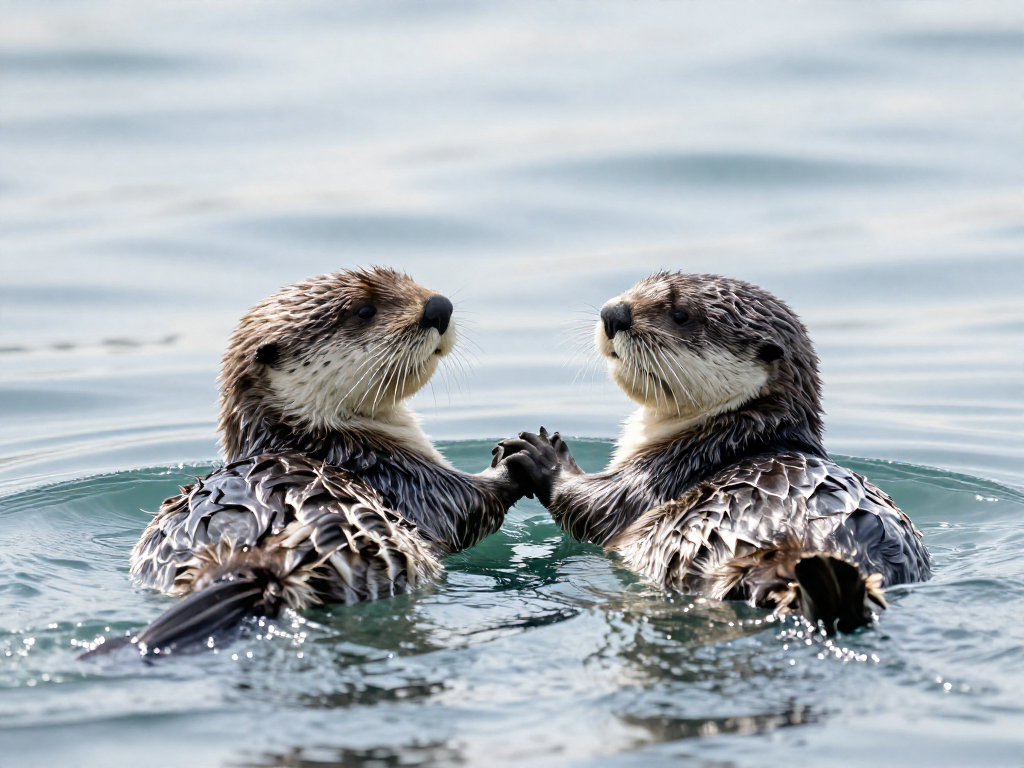
Floating sea otters often grip paws so the tide doesn't carry them apart overnight. Why it's true: This behavior, called "rafting," is regularly observed by aquariums and marine biologists. Otters also anchor themselves in kelp for the same reason—staying together keeps the group safe and warm.
Honeybees can recognize human faces
A brain smaller than a sesame seed can still learn to tell people apart. Why it's true: Scientists trained bees with sugar rewards to identify specific human face photos, and the bees kept picking the "correct" face even without a reward. They appear to use "configural processing" (combining features into a whole pattern), the same trick our brains use.
Elephants seem to mourn their dead
Elephants grow quiet around the remains of their own kind, gently touching and turning the bones with their trunks. Why it's true: Field researchers, including teams in Kenya, have repeatedly recorded elephants investigating elephant skulls and tusks far more than those of other animals, and revisiting the spots where relatives died.
The takeaway: intelligence, memory, and social bonds aren't uniquely human—they're scattered all across the animal kingdom in surprising places.
Survival & Superpower Facts You Won't Believe
Some animals shrug off conditions that would instantly end most life on Earth. These five aren't comic-book characters — they're real creatures with abilities scientists have measured, filmed, and tested in labs.
Tardigrades survived the vacuum of space
In 2007, the European Space Agency's FOTON-M3 mission exposed dried tardigrades (microscopic "water bears," usually under 1 mm long) to the open vacuum and radiation of low Earth orbit. Many survived and even reproduced afterward. Their trick is cryptobiosis — a state where they expel most of their water and curl into a "tun," nearly halting their metabolism until conditions improve.
Wood frogs freeze solid, then hop away
The wood frog (Rana sylvatica) lets up to 65% of the water in its body turn to ice each winter. Its heart stops and it shows no breathing or brain activity. The frog floods its cells with glucose, a natural antifreeze that protects them from rupturing. When spring warms the ground, it thaws and resumes life as if nothing happened.
Mantis shrimp throw a bullet-fast punch
The peacock mantis shrimp strikes with spring-loaded clubs that accelerate at speeds rivaling a .22-caliber bullet — roughly 50 mph underwater. The blow is so fast it creates cavitation bubbles (tiny vapor pockets that collapse with a flash of heat and force), delivering a second hit. It's strong enough to crack crab shells and aquarium glass.
"Immortal" jellyfish hit the reset button
Turritopsis dohrnii, a jellyfish smaller than your fingernail, can reverse its life cycle. When injured or stressed, an adult can revert to its polyp stage (the early, anchored form) and start over — a process scientists call transdifferentiation. In theory it can repeat this indefinitely, which earned it the nickname "the immortal jellyfish." In the wild, predators and disease still get most of them.
Axolotls regrow almost anything
The axolotl, a salamander native to lakes near Mexico City, can regenerate lost limbs, parts of its heart, spinal cord, and even portions of its brain — without scarring. Researchers study it closely, hoping its cellular toolkit could one day inform human regenerative medicine.
Strange & Funny Facts to Share at Parties
Ready for the conversation-starters? These last five oddities are guaranteed to make someone say "no way" — and they're all true.
-
A group of flamingos is called a "flamboyance." It's the official collective noun, and honestly, nothing fits better for a crowd of hot-pink, long-legged show-offs. (Verify: most major birding and dictionary sources, including Merriam-Webster, list "flamboyance" as a collective term for flamingos.)
-
Cows have best friends and get stressed when separated. Research from the University of Northampton found that cows have measurably higher heart rates and show signs of stress when split from a preferred companion, but stay calmer when penned with a buddy. They form real social bonds. (Verify: Krista McLennan's cattle-bonding study, widely covered and presented through UK academic research.)
-
Hummingbirds are the only birds that can fly backwards. Their shoulder joints rotate so the wings move in a figure-eight, generating lift on both the forward and backward stroke. That's how they hover at a flower and then reverse out. (Verify: Smithsonian's National Zoo and Audubon both explain hummingbird backward flight.)
-
Sloths can hold their breath longer than dolphins. By slowing their heart rate to a crawl, sloths can hold their breath for up to 40 minutes underwater — dolphins typically manage around 10. Slow and steady wins the breath-holding contest. (Verify: figures reported by the World Wildlife Fund and sloth-conservation groups.)
-
Tarantulas can survive months without food. Their slow metabolism lets some species go a month or more — occasionally much longer — between meals without harm. It's a built-in survival feature for lean times. (Verify: natural-history museum and zoo care resources on tarantula biology.)
Pick a favorite, drop it at your next gathering, and watch the "wait, really?" reactions roll in.
Final Thoughts: The World Is Stranger Than Fiction
Here's the wildest part: nobody had to invent any of this. Real animals already out-weird our best made-up stories—from mantis shrimp that punch with the force of a bullet to immortal jellyfish that can rewind their own life cycle. The truth is simply stranger than fiction.
So next time a jaw-dropping animal "fact" lands in your group chat, give it a quick check first. A 30-second search through a zoo, museum, or wildlife agency site keeps the wonder real and the misinformation out.
Loved these? Share this article with the fellow animal nerds in your life, and dig into more surprising creatures across the site. The animal kingdom has plenty more weirdness waiting—and all of it is true.
See also
- More posts in Amazing Animal Facts
- Octopus facts: the smartest invertebrate explained
- How tardigrades survive almost anything
- Animal superpowers: real-life adaptations
- Surprising facts about ocean animals
Related articles
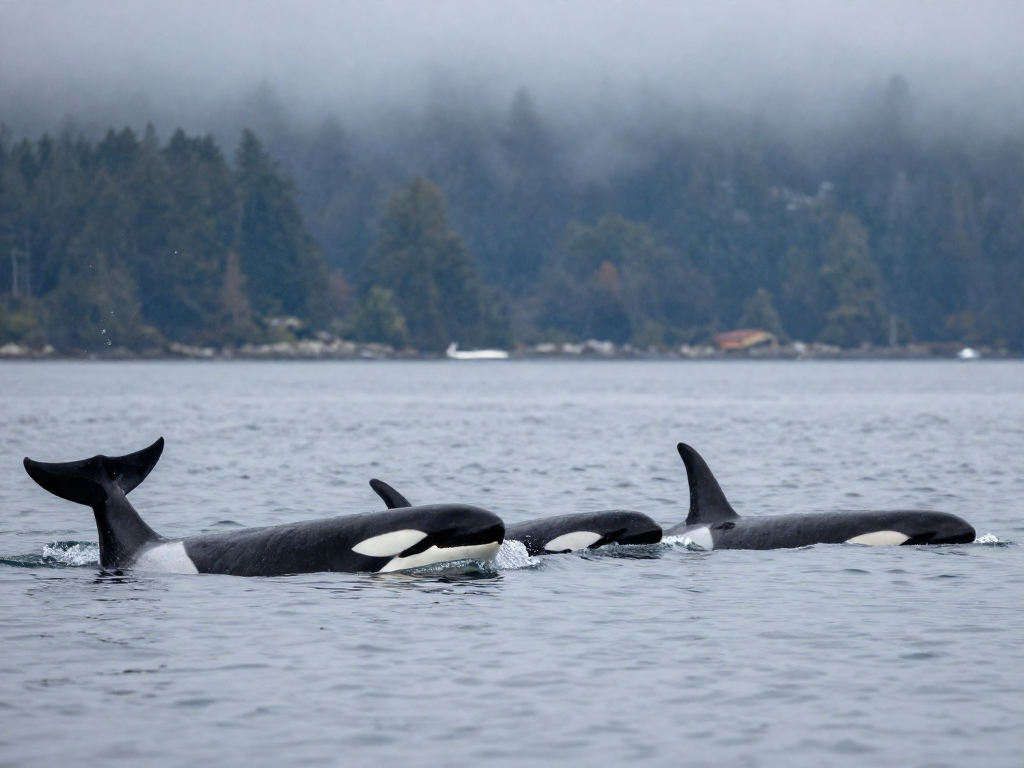
My Unpopular Opinion: Stop Calling Them 'Killer' Whales
Why should we stop using the term 'killer whale'?
Jul 28, 2026 · 3 min read
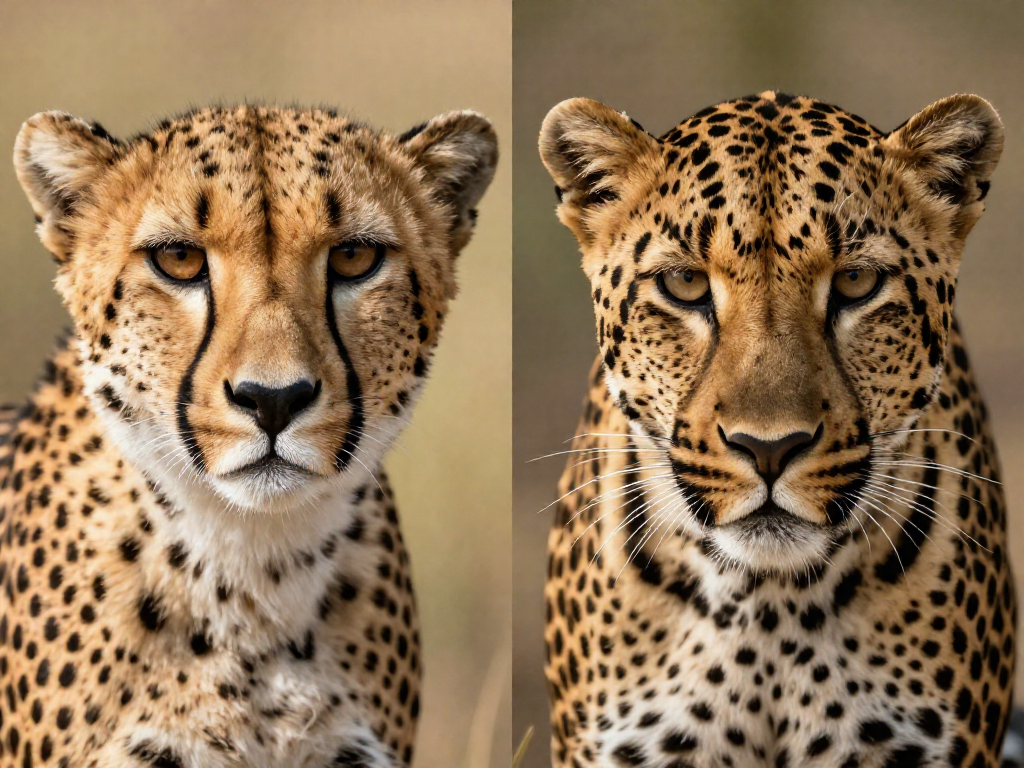
Cheetah vs. Leopard: Spotting the Difference in the Wild
How can you tell the difference between a cheetah and a leopard? Learn the key features including tear marks, spots, body shape, hunting styles, and sounds—all in one easy guide.
Jul 28, 2026 · 6 min read
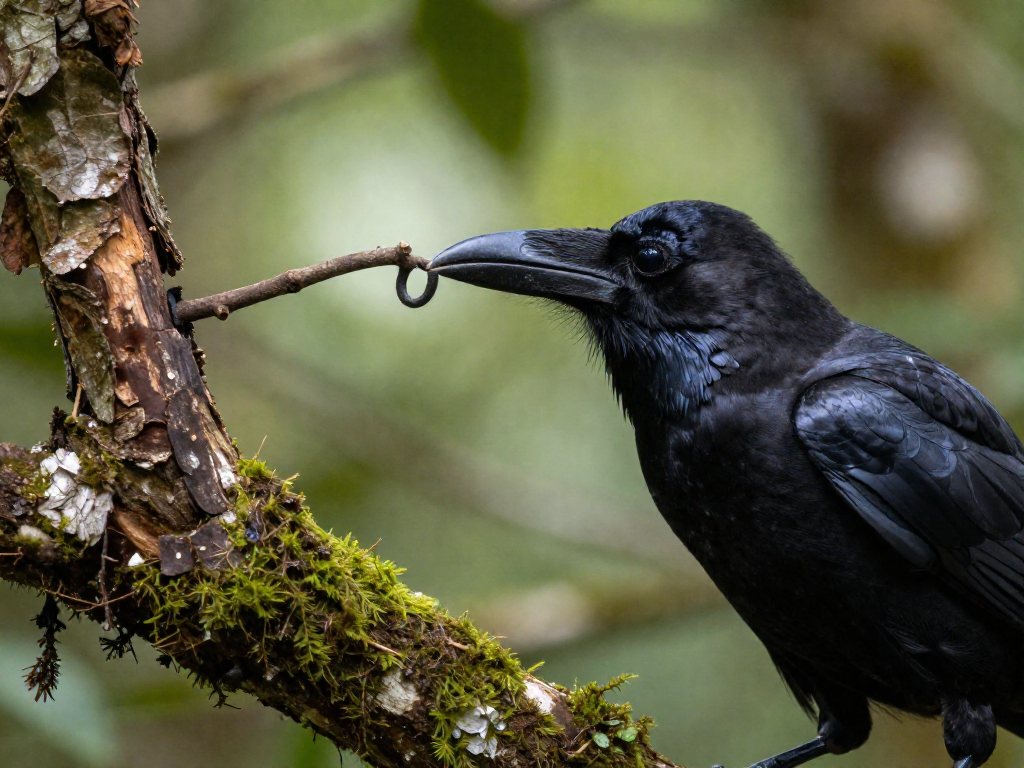
8 Animals That Use Tools (And What They Do with Them)
Which animals use tools, and how do they use them? From crows bending wires to octopuses carrying coconuts, discover 8 tool-using animals.
Jul 28, 2026 · 6 min read