Do Animals Dream? What Science Says
Do animals dream when they sleep?
On this page

The Short Answer: Probably Yes
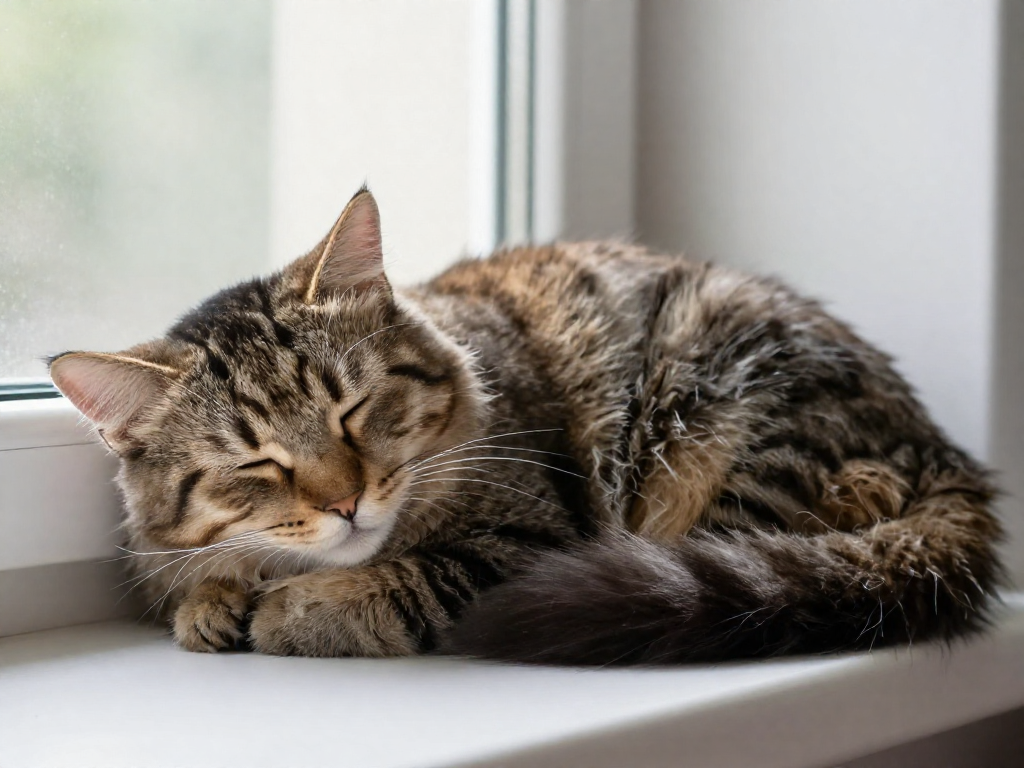
Picture your dog twitching its paws and softly "running" in its sleep — scientists think there's a real chance it's chasing something in a dream. The honest answer to "do animals dream?" is probably yes, especially for mammals and birds.
Why only "probably"? Because we can't tap an animal on the shoulder and ask what it saw. Instead, researchers watch what happens inside the body and brain during sleep:
- Most scientists believe many animals dream, particularly mammals (like cats, rats, and dogs) and birds.
- We can't get a first-hand report, so "probably" is the scientifically honest answer.
- The evidence comes from studying brain activity and body movements during sleep.
Below, we'll unpack exactly what those clues reveal.
What Happens in the Brain When We Dream
Here's the wild part: while you're deep in your most vivid dreams, your eyes are darting back and forth like you're watching a movie—but your body is almost completely frozen in place. That bizarre combo is the signature of REM sleep (rapid eye movement sleep), the stage when most dreaming happens.
During REM, three things happen at once:
- Your eyes flick rapidly beneath closed lids, the trait that gives this stage its name.
- Your brain lights up, nearly as active as when you're awake.
- Your body goes limp, temporarily paralyzed so you don't act out your dreams.
So why does this matter for animals? Simple: REM sleep is the best clue scientists have. If an animal shows the same brain activity, eye movements, and "switched-off" muscles that we do, it's a strong candidate for dreaming too.
And as it turns out, lots of animals have REM sleep—which is where the story gets really interesting.
Dogs and Cats: The Pets We Watch Sleep
If you've ever seen your dog's paws twitch and "run" mid-snooze, you've probably already witnessed something close to a dream. Those whimpers, leg kicks, and fluttering eyelids tend to show up during REM sleep (rapid eye movement, the stage when human dreaming is most vivid), and dogs cycle through it much like we do.
The timing even scales with size. Research from MIT and others suggests small dogs slip into more frequent, shorter dream-like bursts, while big dogs have longer, less frequent ones — and the same general pattern shows up across many mammals.
Cats gave scientists one of the most striking clues. In the 1960s, French researcher Michel Jouvet studied a part of the brainstem that normally paralyzes the body during REM. When that "off switch" was disabled, sleeping cats appeared to act out their dreams — crouching, pouncing, and stalking invisible prey while still asleep.
So what are they "watching"? The leading idea is that animals may replay pieces of their day: a dog rehearsing a chase, a cat reliving a hunt or a play session. It's not proof they dream exactly like us — but it's a tantalizing peek behind those closed, twitching eyelids.
Lab Rats That "Replayed" Their Day
What if scientists could peek into an animal's dream and actually tell what it was about? At MIT, researchers got remarkably close. In a now-famous study, rats spent the day running through a maze while sensors recorded the exact pattern of brain cells firing as they moved.
Then the rats fell asleep — and something amazing happened. The same brain-cell patterns fired again during sleep, almost like a recording playing back. The match was so precise that researchers could pinpoint where in the maze a sleeping rat was "running" in its mind, and even whether it was moving or pausing.
This is the closest thing science has to reading an animal's dream. It strongly suggests that rats replay their daytime experiences during sleep, much like we relive our own days in dreams. It also hints at why animals (and we) might dream at all: to rehearse and lock in memories.
(Source: Wilson & Louie, MIT, published in Neuron.)
Birds, Octopuses, and Other Surprises
Dreaming isn't just for furry pets — a sleeping songbird may be practicing its solo. When researchers at the University of Chicago recorded zebra finches asleep, the birds' vocal muscles fired in the same patterns they use to sing by day, as if silently rehearsing their tune.
Octopuses might be even stranger. In a 2021 study, scientists watched sleeping octopuses suddenly flush with color and twitch their arms — the same skin displays they make while awake. It's not proof of dreams, but it's a tantalizing hint that something dream-like flickers through their very alien brains.
What about reptiles and fish? Here the science gets fuzzier. Some lizards show sleep brain rhythms that resemble ours, but whether that adds up to "dreaming" is hotly debated. For now, the honest answer is: we're still watching, still wondering.
- Songbirds: sleep patterns mirror daytime singing
- Octopuses: color shifts during sleep
- Reptiles/fish: intriguing but unsettled
So What Might Animals Dream About?
Here's the honest, wonderfully humbling truth: nobody can peek inside a sleeping dog's head and watch the movie playing there. What scientists can see is that the brain stays busy during sleep, often lighting up the same regions it used while awake.
So the best guess is delightfully simple. Animals probably dream about their everyday lives:
- Food — hunting, foraging, or that one really good snack
- Play and other animals — friends, rivals, and the dog down the street
- Danger — escaping a predator or a close call
Beyond that, the exact "pictures" stay a mystery. And honestly? That's part of the magic. Some questions, science hasn't fully answered yet — which leaves plenty of room for wonder.
See also
- How Do Animals Sleep? Surprising Sleep Habits Explained
- Why Do Cats Purr? The Science Behind the Sound
- How Smart Are Dogs Really?
- Do Animals Have Feelings?
Related articles
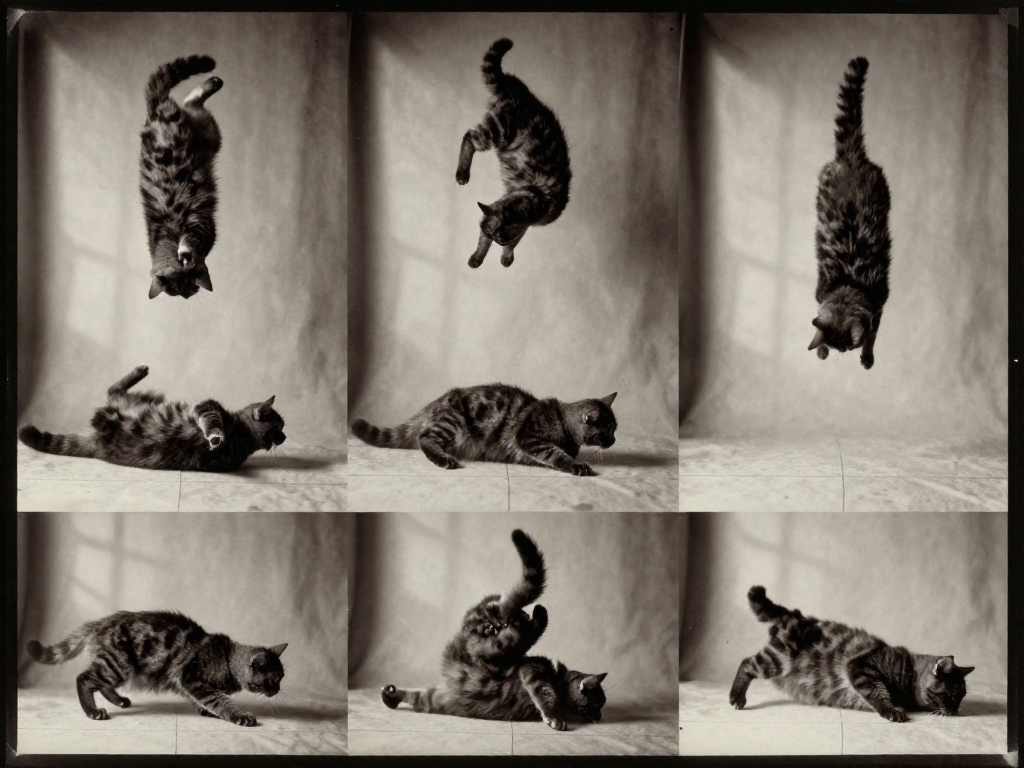
Why Do Cats Always Land on Their Feet? The Physics of Feline Righting
Discover the real reason cats land on their feet—it’s not the tail or magic. Learn the step-by-step righting reflex, the surprising physics behind the twist, and why higher falls can sometimes be safer.
Jul 28, 2026 · 4 min read
Why Do Fireflies Glow? And Other Summer Night Questions
Discover the simple science behind firefly bioluminescence, their coded flash language, and family-friendly tips for enjoying these magical insects without harm.
Jul 20, 2026 · 6 min read
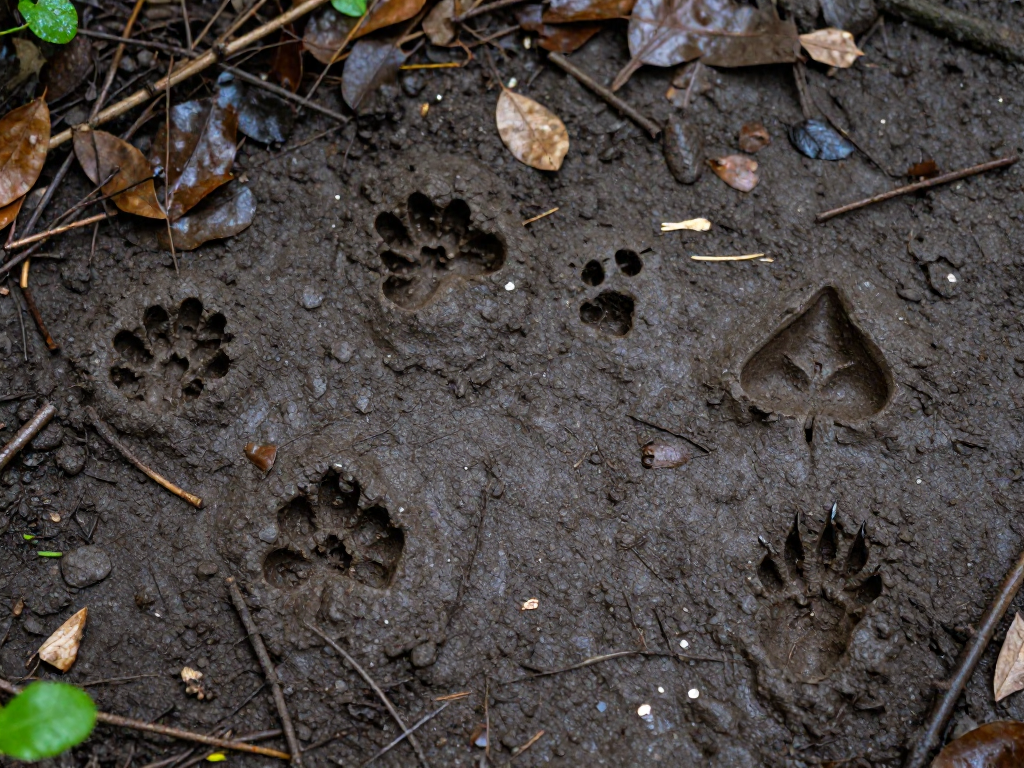
Quick Reference: Common Animal Tracks to Spot in Your Backyard
What animal tracks might you find near your home, and how do you identify them?
Jul 20, 2026 · 4 min read