Why Do Zebras Have Stripes?
What are zebra stripes for?
On this page
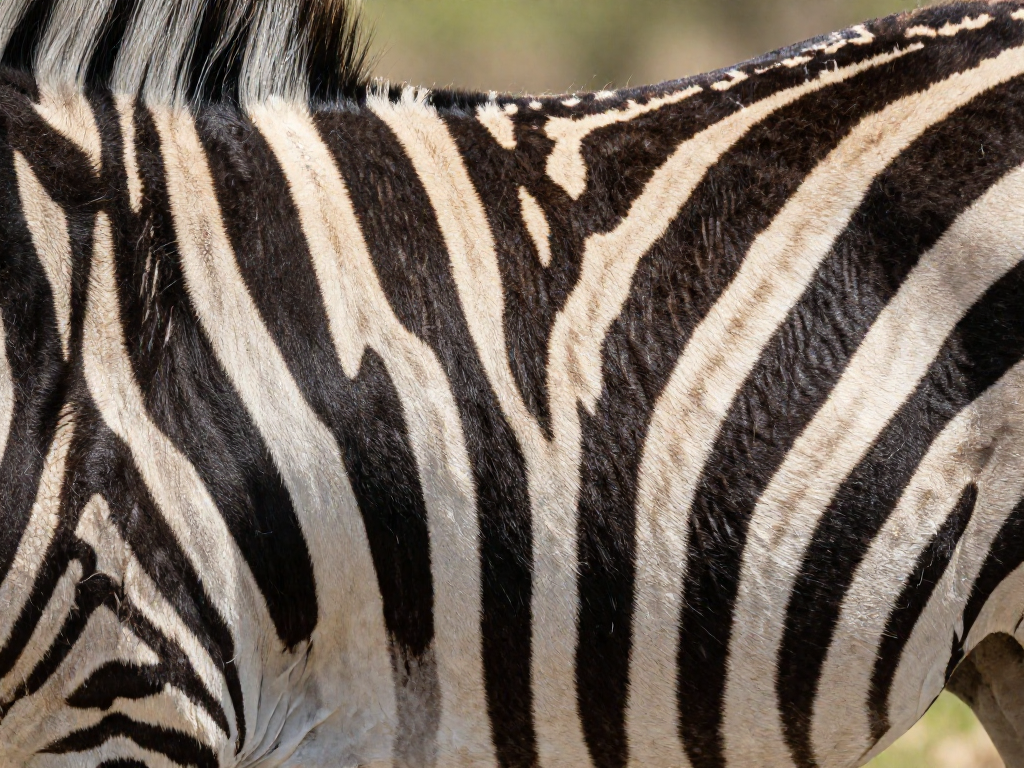
The Quick Answer
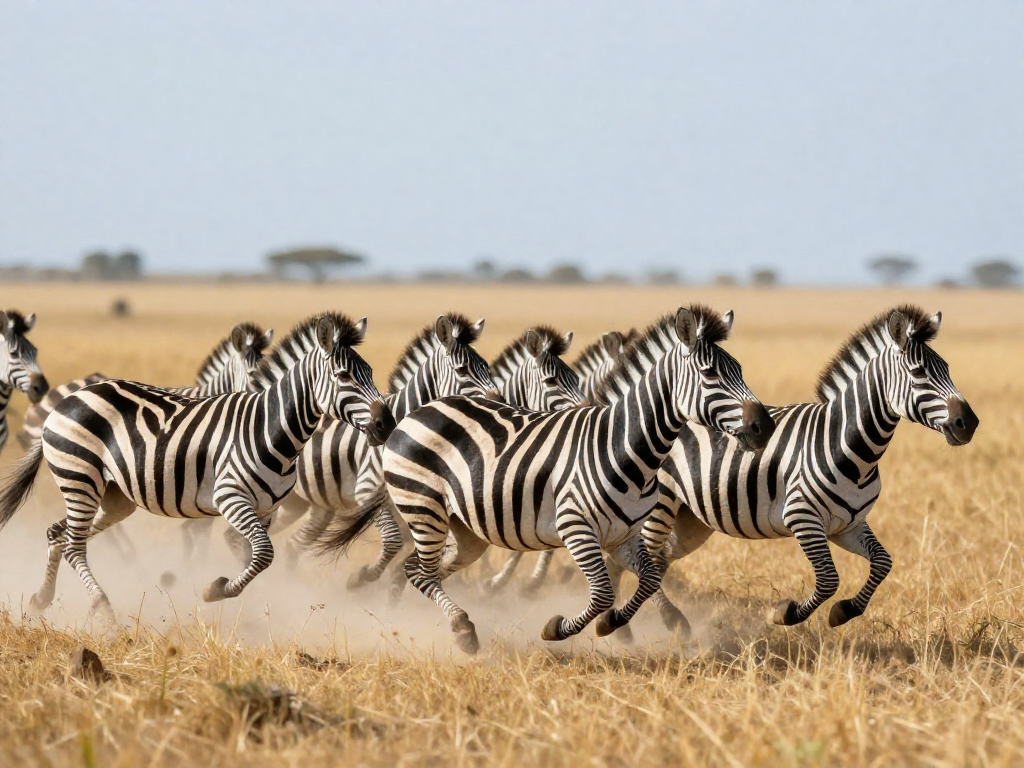
Here's the twist: after more than a century of debate, scientists still haven't crowned one definitive reason zebras have stripes. But the strongest evidence points to a surprisingly humble culprit—biting flies. Studies show that horseflies and tsetse flies struggle to land on striped surfaces, so those bold black-and-white patterns may work like natural bug repellent.
Other leading theories include:
- Camouflage that confuses predators in tall grass and shifting light
- Temperature control, with stripes possibly stirring up cooling air currents
- Social signaling, helping zebras recognize one another
And here's a fun kicker: no two zebras share the same stripe pattern—each one is as unique as a human fingerprint.
Theory 1: Stripes Confuse Biting Flies
Here's the strange part: a hungry horsefly cruising toward a zebra often can't stick the landing. In experiments, flies approaching striped surfaces failed to slow down properly and either bounced off or veered away at the last second.
Researchers put this to the test in a clever way. They draped horses in striped coats and counted how often flies landed. The result? Far fewer successful landings on the striped patterns than on plain ones—the stripes seemed to scramble the flies' ability to judge distance and touch down.
Why does dodging a few bugs matter so much? In the African regions where zebras live, biting flies aren't just annoying—they carry diseases like trypanosomiasis (a deadly blood infection) and equine influenza. For a zebra, fewer bites can mean the difference between staying healthy and getting seriously sick.
That real survival payoff is exactly why this is the front-runner explanation today. Unlike other ideas, the fly theory has held up across multiple controlled experiments—making it the best-supported answer scientists have for those famous black-and-white stripes.
Theory 2: Camouflage and the 'Dazzle' Effect
For over a century, scientists figured those bold black-and-white bars were a clever disguise. The idea? In tall grass or the dim light of dawn and dusk, stripes might blur a zebra's outline, making it harder for a lion to lock on.
There's even a twist called motion dazzle—the notion that a galloping herd of stripes turns into a confusing, shimmering blur, so a predator can't single out one animal to chase. (Warships in World War I were painted with similar "dazzle camouflage" to throw off enemy gunners.)
But newer research pokes big holes in this theory. A 2016 study found that lions and hyenas—a zebra's main hunters—can't actually make out stripes from the distances where it would matter. To them, a zebra looks like a gray blob either way.
Where might it still help? Possibly in low light, when the stripes' fine detail fades and the muted tones blend into the dusk.
Theory 3: Staying Cool in the Heat
Could a zebra's coat double as a built-in air conditioner? Some scientists think those stripes might help beat the African heat.
Here's the idea: black stripes soak up sunlight and warm up, while white stripes bounce it away and stay cooler. That temperature difference may stir up tiny swirls of air just above the skin — like a gentle breeze the zebra carries everywhere it goes.
It's a tidy theory, but the jury is still out:
- Black stripes absorb heat; white stripes reflect it
- The temperature gap may create small cooling air swirls over the skin
- The evidence is mixed, and researchers are still debating it
For now, the cooling idea is intriguing — just not proven.
Theory 4: Recognizing the Herd
Here's something wild: no two zebras have the exact same stripe pattern—it's a bit like a fingerprint. That has led scientists to wonder whether stripes help zebras tell each other apart.
The idea is that these one-of-a-kind patterns may let zebras recognize individuals in a busy herd, and could help a foal (a baby zebra) lock onto the sight of its own mother in the crowd.
So is this the reason zebras have stripes? Probably not. Researchers consider social recognition more of a handy bonus than the main driver—the strongest evidence still points to stripes fending off biting flies (see Theory 1).
So Which Theory Wins?
Here's the twist: after more than a century of debate, scientists still don't have one tidy answer—and that's exactly what makes zebra stripes so fascinating.
If there's a frontrunner, it's bug protection. Field experiments have repeatedly shown that biting flies (like horseflies and tsetse flies) struggle to land on striped surfaces, and this idea has the strongest, most repeatable evidence so far.
But nature rarely keeps things simple. Stripes may pull double or triple duty at once—deterring flies and helping zebras recognize one another and possibly aiding temperature control. Several small advantages can add up.
The honest takeaway? This is still an open question. Researchers are actively testing these ideas in the field today, so the "final answer" may yet change.
See also
- Why Do Tigers Have Stripes?
- How Do Animals Use Camouflage to Survive?
- Why Do Giraffes Have Long Necks?
- Fun Facts About Zebras for Kids
Related articles
Why Do Cats Always Land on Their Feet? The Physics of Feline Righting
Discover the real reason cats land on their feet—it’s not the tail or magic. Learn the step-by-step righting reflex, the surprising physics behind the twist, and why higher falls can sometimes be safer.
Jul 28, 2026 · 4 min read

Why Do Fireflies Glow? And Other Summer Night Questions
Discover the simple science behind firefly bioluminescence, their coded flash language, and family-friendly tips for enjoying these magical insects without harm.
Jul 20, 2026 · 6 min read
Quick Reference: Common Animal Tracks to Spot in Your Backyard
What animal tracks might you find near your home, and how do you identify them?
Jul 20, 2026 · 4 min read