Why Do Animals Form Groups? Herds, Flocks, and Schools Explained
Why do animals live in groups and how does it help them survive?
On this page
Herd, Flock, School, Pod: What's the Difference?
Here's a fun secret: most of these words describe who the animals are, not what they're doing. A herd, a flock, and a school can all be doing the exact same thing—just with fur, feathers, or fins.
Here's your quick cheat sheet:
- Herd — land mammals, like bison, elephants, and deer.
- Flock — birds, from sparrows to flamingos.
- School or shoal — fish.
- Pod — marine mammals like whales and dolphins.
- Colony — social insects (ants, bees) and many nesting seabirds.
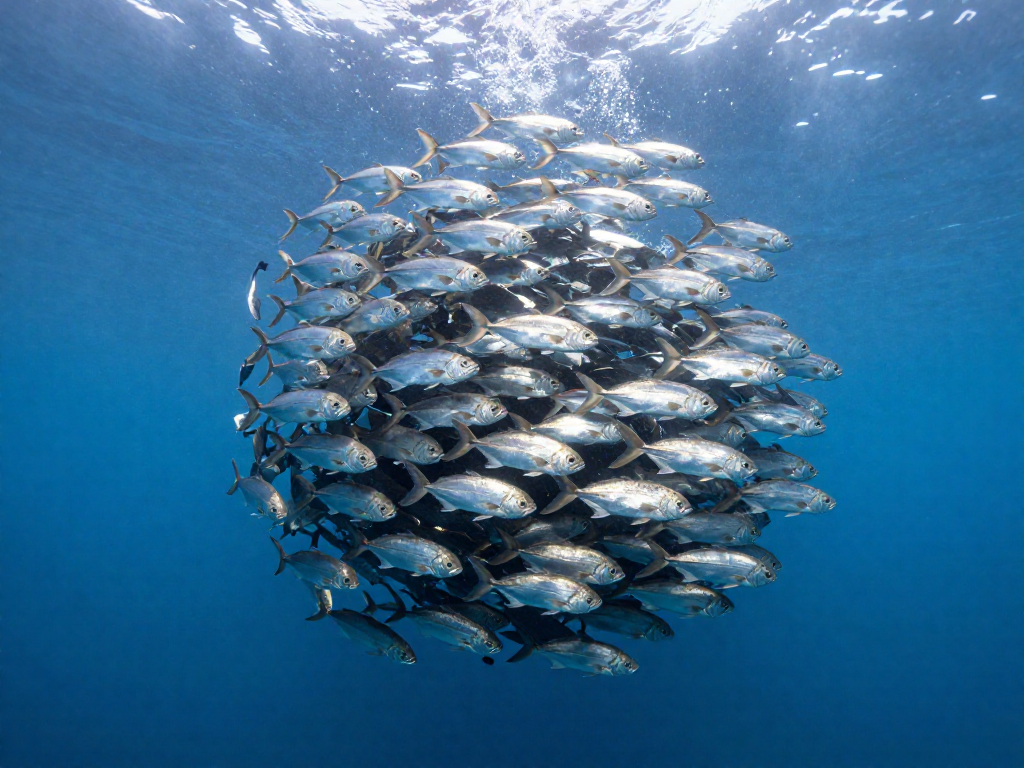
So what's the difference between a school and a shoal? It comes down to coordination. A shoal is just a bunch of fish loosely hanging out in the same place. A school is a shoal that's gotten serious—every fish swimming in tight, synchronized unison, turning and darting as if they share one brain.
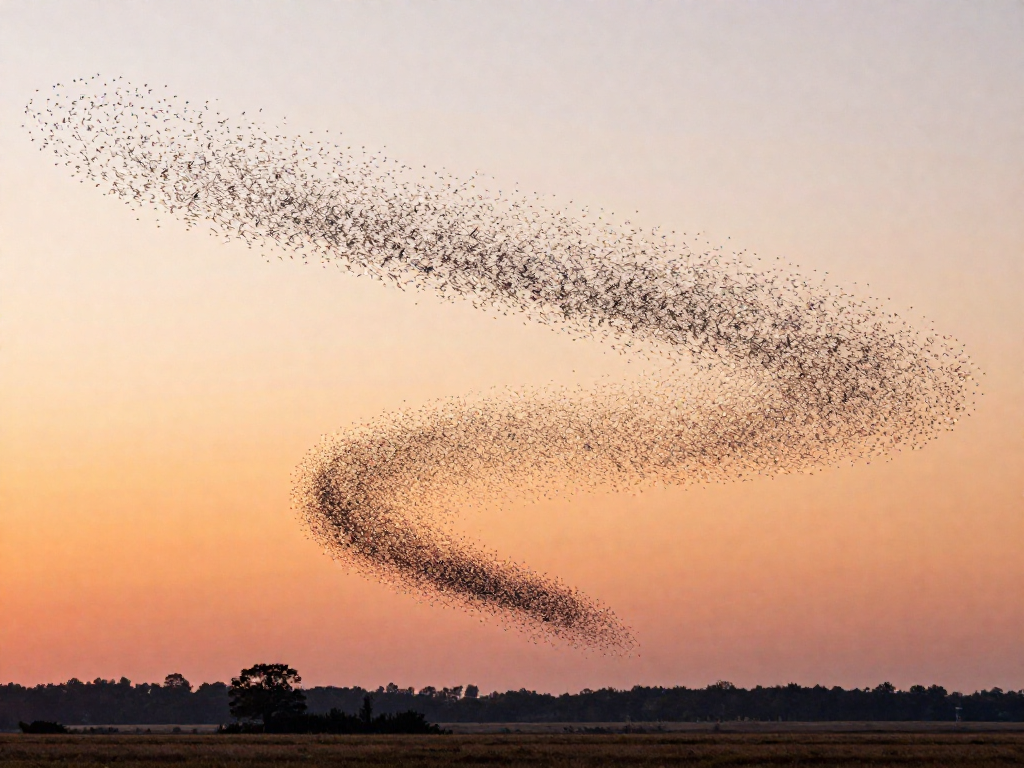
English also loves a playful collective noun. A swirling cloud of starlings is a murmuration. Lions travel in a pride. And a group of owls? A parliament.
The takeaway: don't overthink the labels. Whether you call it a herd or a pod, the real question isn't what we name the group—it's why animals bother gathering at all. That's where the survival science gets genuinely amazing.
Safety in Numbers: The #1 Reason Animals Group Up
A lone gazelle on the savanna is basically a snack with legs—but a herd of 200? That's a moving fortress. The single biggest reason animals band together is brutally simple: it keeps them alive. Here's the science behind the safety.
More eyes, fewer ambushes. Scientists call this the "many eyes" effect. With dozens of heads up and scanning, a predator is spotted sooner, so each animal can spend less time nervously watching and more time eating. Studies of ostriches and many flocking birds show that as group size grows, each individual lifts its head to look around less often—yet the group as a whole stays just as alert.
The dilution effect (a.k.a. "not me" math). If a predator can grab only one victim, your personal odds of being that victim drop as the crowd grows. One fish in a school of 1,000 faces far better odds than a fish swimming solo. It's cold comfort, but it's powerful comfort.
The confusion effect. When a school of fish or a flock of starlings swirls in those mesmerizing, shape-shifting waves (called murmurations), a predator's brain struggles to lock onto any single target. All that synchronized motion overloads the hunter's aim.
Mobbing: the tiny-bird counterattack. Sometimes the prey goes on offense. Small songbirds will gang up, dive-bomb, and screech at a hawk or owl until the much larger predator simply gives up and leaves. There's strength—and serious nerve—in numbers.
Selfish herd theory. Biologist W. D. Hamilton noted in 1971 that animals tend to shove toward the center of a group, where they're shielded by neighbors on all sides. Each one is selfishly seeking the safest spot, and the dense cluster we see is the accidental result.
Put it all together, and grouping up turns a vulnerable individual into part of an alert, slippery, hard-to-hunt whole.
Finding Food and Hunting Together
A single wolf might struggle to bring down a moose that outweighs it five to one—but a pack working together can do it routinely. When it comes to dinner, there's real power in numbers.
The simplest perk is having more eyes on the lookout. White pelicans sometimes form a horseshoe shape and herd fish into shallow water, then scoop them up together. More searchers also means food gets found faster, so the whole group spends less time hungry and more time eating.
Hunting as a team unlocks bigger meals, too. Lion prides, orca pods, and wolf packs coordinate to take down prey that no individual could tackle alone. Orcas, for example, hunt cooperatively and even create waves to wash seals off ice floes—a tactic passed down through their pods.
Groups are also living information networks. Honeybees perform a "waggle dance" (a figure-eight wiggle that tells hivemates the direction and distance to flowers), turning one bee's discovery into a feast for thousands. Ravens are known to call others and follow each other to large carcasses, sharing the find rather than guarding it.
Finally, traveling together helps animals reach food they couldn't find on their own. During migration, many herd and flock species follow experienced leaders to seasonal feeding grounds, with younger members learning the route along the way.
Whether it's spotting, catching, sharing, or finding food, banding together helps animals eat better than they ever could solo.
Warmth, Travel, and Raising Young
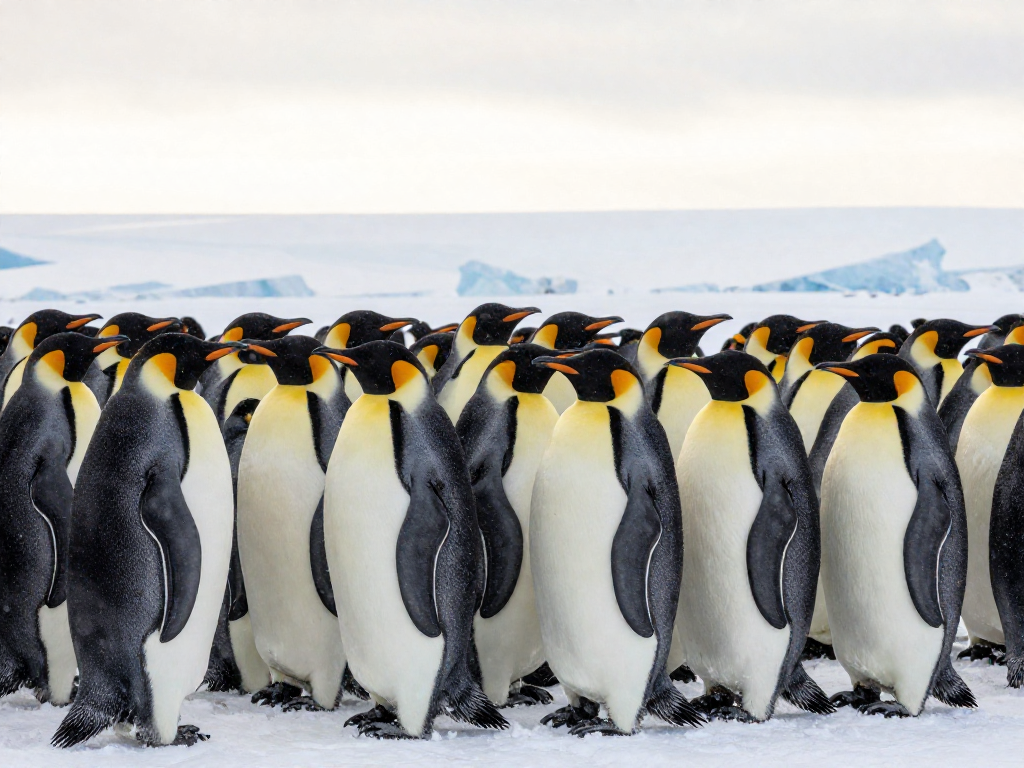
Imagine surviving a winter so brutal that standing still means freezing to death — unless thousands of your neighbors pile in close. That's exactly what emperor penguins do in Antarctica, where temperatures can plunge below −40°F. They cram into tight "huddles" and slowly rotate, so each bird takes a turn at the chilly edge before shuffling back to the toasty center. The packed bodies can keep the huddle's interior surprisingly warm, saving precious energy for months of fasting.
Grouping up also makes travel easier. When geese fly in a V-formation, each bird rides the swirl of air (the upwash) left by the one ahead, cutting the effort it takes to stay aloft. Fish do something similar, slipping into the slipstream of their neighbors so the whole school glides farther on less energy.
Then there's parenting. Many social animals share the work of raising the next generation:
- Elephants form tight family herds where aunts and older sisters help protect and guide calves.
- Meerkats post "babysitters" at the burrow while the rest of the group forages.
- Lionesses in a pride nurse and defend cubs together.
A crowd has one more perk: finding a mate. When you live surrounded by others of your kind, the search for a partner is a whole lot shorter — another quiet reason togetherness pays off.
The Hidden Costs of Living in a Group
Here's the catch most nature shows skip: living in a crowd can be downright expensive. For every benefit of the herd, there's a hidden bill—and that's exactly why not every animal joins one.
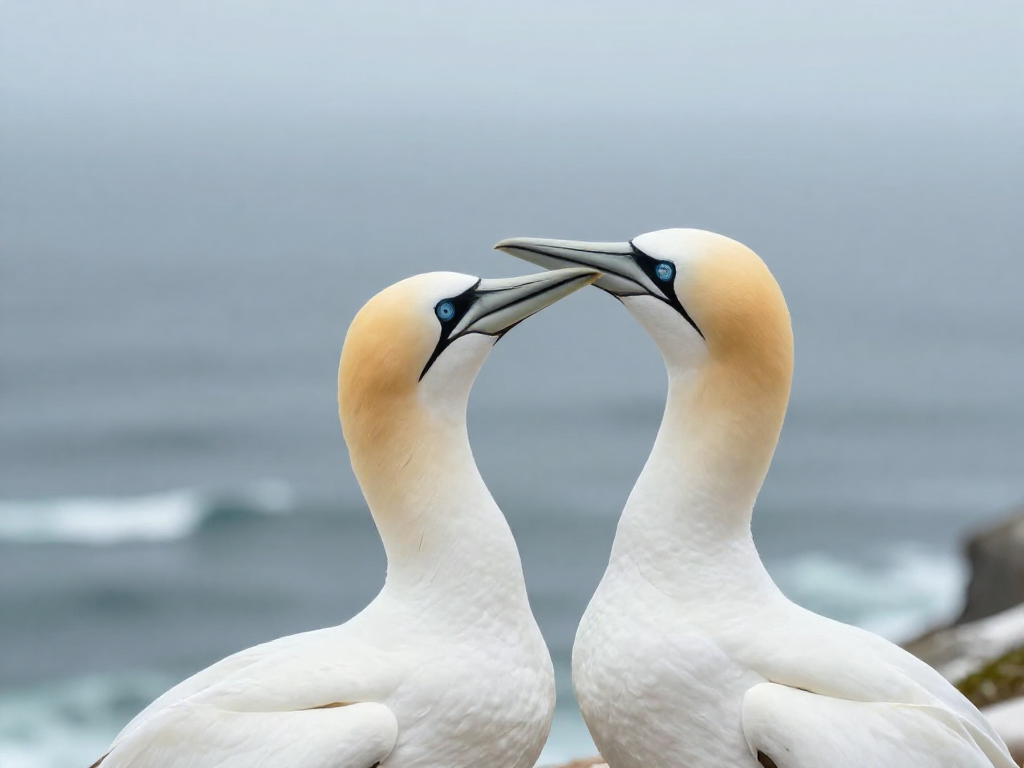
Start with competition. When you share space, you share resources. More mouths mean more squabbling over food, the best nesting spots, and mates. In big colonies of seabirds like gannets, prime central nests are fiercely contested, while latecomers get stuck on the risky edges.
Then there's disease. Pathogens and parasites (tiny organisms that live on or in a host) spread far faster when bodies are packed together. A single cough, fleas, or contaminated water can rip through a colony. Some social mammals, like certain ground squirrels, carry heavier parasite loads simply because they live close together.
Crowds are also easier to spot. A lone gazelle can vanish into tall grass, but a 200-strong herd kicks up dust a predator can see from far away. Grouping may hide an individual—yet it puts the whole gang on the map.
Inside the group, life isn't always friendly either. Many social species run on dominance hierarchies (a pecking order that decides who eats and breeds first). Lower-ranked animals can face bullying, stress, and leftovers—wolves and chickens both know this firsthand.
Add it all up and you get a trade-off. When the dangers of crowding outweigh the perks, staying solitary wins. That's why animals like tigers, most bears, and leopards mostly go it alone—proof that the group lifestyle is a deal, not a default.
How Do Animals Stay Coordinated Without a Leader?
Here's the wild part: that swirling cloud of thousands of starlings—called a murmuration—has no leader, no flight plan, and no one shouting directions. Each bird is simply following a few simple rules based on its closest neighbors.
Scientists studying starlings found that each bird pays attention to about its seven nearest neighbors, no matter how big the flock gets. The rules are surprisingly basic:
- Stay close (don't drift away from your neighbors)
- Don't crash (keep a little personal space)
- Match the move (turn and speed up when they do)
When every individual follows these rules at once, breathtaking group patterns "self-organize"—they emerge naturally without anyone in charge.
That's also why a turning motion can ripple across an entire flock or school in a fraction of a second, faster than any single bird could react to a far-off danger. The change passes neighbor-to-neighbor like a stadium wave.
Animals read each other using different cues, too. Birds watch body position and listen for calls, while fish have a lateral line (a row of sensors along their sides that detects tiny changes in water pressure), letting them feel a neighbor's movement before they even see it.
See also
- Why do birds migrate thousands of miles?
- How do wolves hunt as a pack?
- Why do penguins huddle together?
- How do bees communicate with the waggle dance?
- Why are some animals solitary?
Related articles
When Your Dog Won't Stop Licking: A Troubleshooting Guide for Common Causes
Why does my dog keep licking everything, and how can I address it?
Jul 28, 2026 · 7 min read
Why Do Birds Sing at Dawn? The Science of the Dawn Chorus
Why do birds sing so loudly early in the morning?
Jul 28, 2026 · 6 min read
Monogamy vs. Polygamy in the Animal Kingdom: A Comparative Guide
How do monogamous and polygamous mating systems compare, and which animals use which?
Jul 20, 2026 · 9 min read