Why Do Cats Knead, Purr, and Bring You 'Gifts'?
What do common cat behaviors actually mean?
On this page
Quick Answer: Your Cat Is Talking to You

Here's the surprising truth: when your cat kneads your lap, purrs in your ear, or drops a half-chewed toy at your feet, it's not being random—it's communicating. Most of these quirks are signs of comfort, connection, and deep-seated instinct, not mysterious cat logic.
Even better, many of these behaviors are tiny time machines. Some trace straight back to kittenhood (think nursing and being groomed by mom), while others echo the survival habits of your cat's wild ancestors, who hunted, hid, and bonded to stay alive.
Below, we decode 7 common cat behaviors and the science behind each one—so you can finally understand what your feline friend has been trying to tell you all along.
Why Do Cats Knead? ("Making Biscuits")
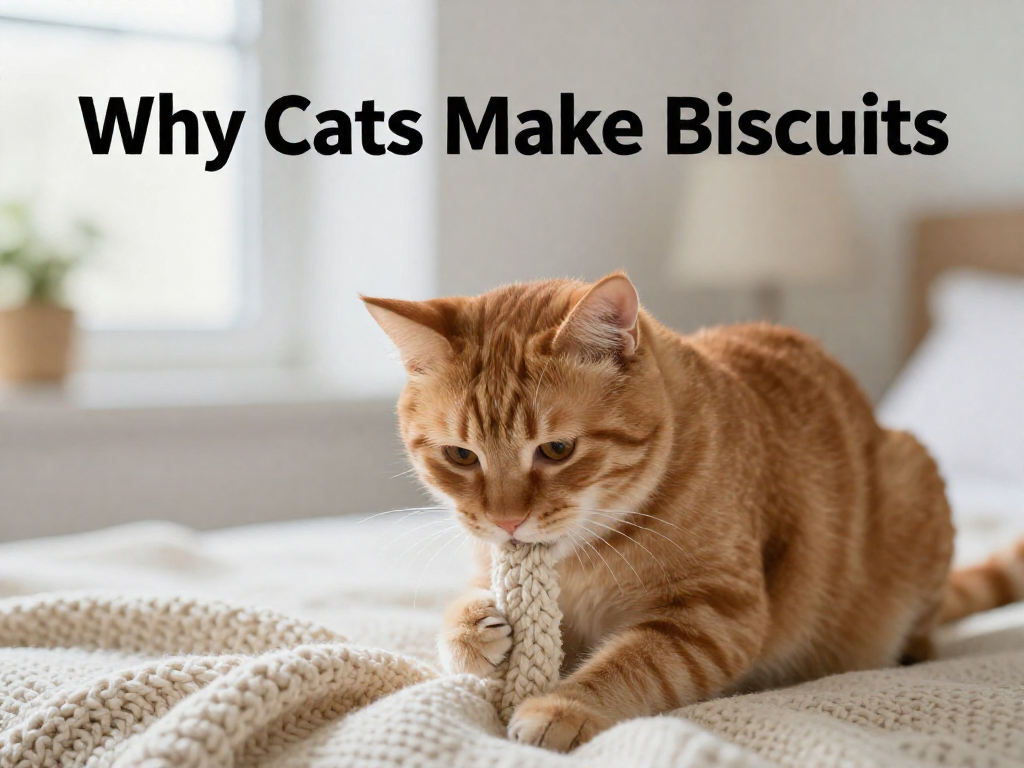
That rhythmic paw-pushing on your blanket, your lap, or a sleepy pile of laundry? Your cat is reliving infancy. Kneading—affectionately called "making biscuits"—starts in the very first days of life, long before a kitten can even open its eyes.
It begins with nursing. Newborn kittens push against their mother's belly with their front paws to stimulate milk flow. The motion works, milk comes, and the kitten learns to link kneading with warmth, food, and safety.
Comfort that lasts a lifetime. Most cats never outgrow the association. As adults, kneading becomes a self-soothing ritual—a sign your cat feels relaxed and secure. If your cat kneads you, take it as a compliment: you've been filed under "safe and comforting."
They're also claiming you. Cats have scent glands in the soft pads of their paws. As they knead, they leave behind their personal scent—an invisible "this is mine" tag. So when your cat makes biscuits on your leg, it's marking you as part of its territory.
Why the drool and purr? Some cats purr, drift into a trance, or even drool while kneading. That throwback to nursing-time bliss can trigger the same contented, milk-anticipating responses they had as kittens. It looks a little goofy, but it's a strong sign of pure cat happiness.
The takeaway: kneading is a leftover kitten reflex turned love language—part comfort, part communication, all affection.
Why Do Cats Purr? (It's Not Always Happiness)
Here's a surprise: a purring cat isn't always a happy cat. Cats also purr when they're frightened, injured, or even dying at the vet — so that rumbling motor is less a "joy meter" and more an all-purpose self-soothing tool.
So how does the sound actually happen? A cat's brain sends rapid signals to the muscles of the larynx (the voice box in the throat), making them twitch 25 to 150 times per second. That flutter opens and closes the space between the vocal cords, and the cat's breath vibrates through it to create that steady hum — on both the inhale and the exhale.
What the purr means depends on the moment:
- Contentment: the classic version, when a cat is relaxed on your lap or being petted.
- Self-soothing: cats often purr through stress, pain, or illness, much like a person humming to calm their nerves.
- The "solicitation purr": researchers at the University of Sussex found that hungry house cats mix a high-pitched, almost cry-like sound into their purr — a frequency our brains find hard to ignore. Translation: your cat has hacked your feed-me instincts.
There's even a healing theory. Domestic-cat purrs fall in the 25–150 Hz range, and frequencies around 25–50 Hz have been linked in some studies to promoting bone density and tissue repair. It's still unproven in cats, but it's a fascinating idea: that a cat's purr might literally help it mend.
Why Do Cats Bring You "Gifts"? (Dead or Alive)
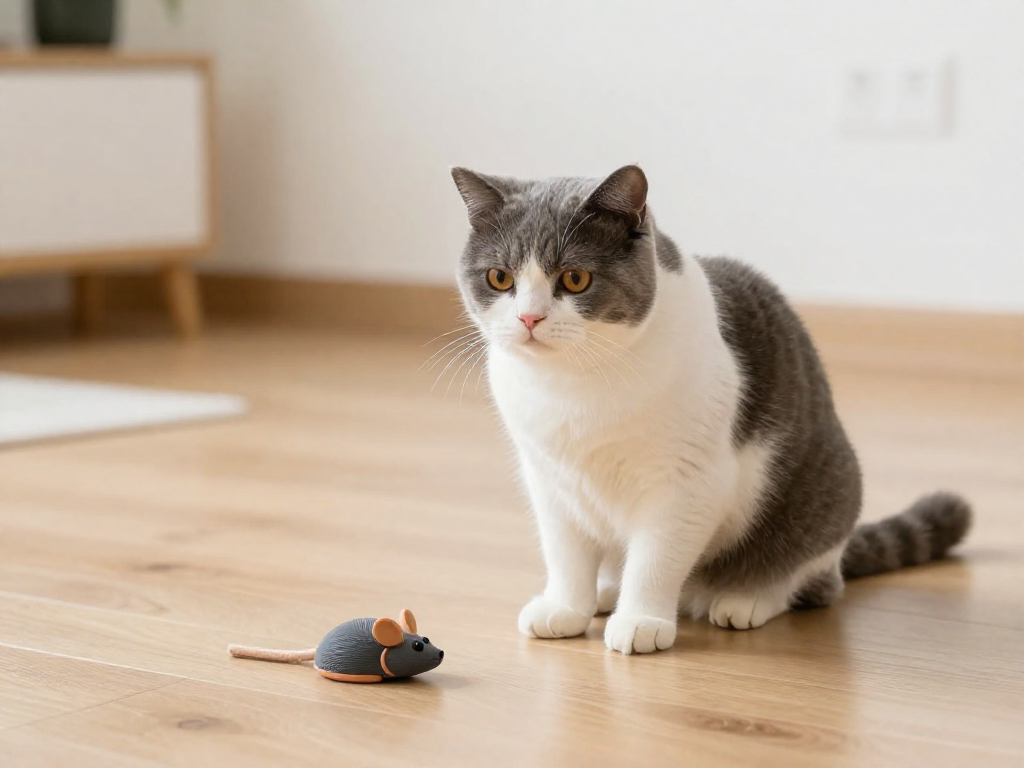
Your sweet, well-fed house cat just dropped a mouse at your feet—and looked downright proud about it. As unsettling as that surprise can be, it's actually a sign of trust, not a threat.
The behavior starts with instinct. Hunting in cats isn't driven by hunger alone; it's a hardwired drive that a full food bowl simply doesn't switch off. That's why even indoor cats "hunt" toys, hair ties, and the occasional unlucky bug.
So why bring the catch to you? Researchers don't have one proven answer, but the leading ideas are charming:
- The teaching theory. Mother cats bring dead or injured prey back to their kittens to teach them how to eat and, later, how to hunt. One popular interpretation is that your cat may be treating you like a clumsy kitten who clearly can't catch its own dinner.
- The safe-base theory. Cats often carry prey to a secure, familiar spot before eating or "processing" it. Your home—and you—may simply be the safest place they know.
How to respond: Stay calm and avoid scolding or big reactions. Punishing the behavior can confuse your cat and chip away at the trust this "gift" represents. Quietly remove the item (wear gloves or use a paper towel for hygiene), then offer praise, play, or a puzzle feeder to satisfy that hunting drive in a tidier way.
If a cat regularly brings home live wildlife, your local veterinarian or a wildlife agency can advise on safe handling and prevention.
4 More Everyday Cat Behaviors, Decoded
When your cat smacks a glass off the counter while staring straight at you, it isn't plotting revenge—it's running an ancient hunting program (and learning that the crash gets your attention). Here are four more quirks, quickly decoded.
Head-butting (a.k.a. "bunting") That gentle bonk is a compliment. Cats have scent glands on their cheeks, chin, and forehead, and rubbing them on you deposits their scent—marking you as part of their trusted group. Bunting is both social bonding and a way of saying "you're mine."
Slow blinking: the cat "I love you" If your cat looks at you and slowly closes and opens its eyes, blink slowly back. A 2020 study published in Scientific Reports found that cats are more likely to slow-blink at people who slow-blink first—and to approach those people more readily. In cat body language, a relaxed, half-closed gaze signals comfort and trust, since you only let your guard down around someone safe.
Knocking things off tables Frustrating, yes—but it's mostly instinct plus learning. Pawing and batting objects mimics the way cats test and "catch" prey, and the movement, sound, and your reaction all make it rewarding. If a cat learns that knocking over a pen brings you running, that's a payoff worth repeating.
Showing the belly: trust, not an invitation A cat rolling over to expose its belly is paying you a big compliment, because the belly is its most vulnerable area. But it's usually a display of trust, not a request for a rub. Many cats reflexively guard that spot, so a belly grab can trigger a defensive swat. Admire the trust—then aim your pets at the head and chin instead.
When Cat Behavior Means Something's Wrong
Here's the reassuring part first: the quirks we've covered—kneading, purring, gift-giving—are almost always signs of a normal, healthy cat. But because cats are wired to hide pain (a survival instinct inherited from wild ancestors who couldn't show weakness), the same behaviors can occasionally flip from cute to concerning.
Watch for shifts in the pattern, not just the behavior itself. Red flags worth a vet's attention include:
- Purring plus hiding and skipped meals. Cats sometimes purr to self-soothe when stressed or in pain, so purring paired with appetite loss or constant hiding isn't always contentment.
- Sudden personality changes. A social cat who turns withdrawn, or a calm one who becomes aggressive, may be telling you something hurts.
- Overgrooming. Licking a patch of fur until it thins or breaks the skin is a common stress signal—and can also point to allergies, pain, or skin issues.
The American Association of Feline Practitioners recommends a check-up if any of these last more than a day or two, or come on suddenly.
Bottom line: most "weird" cat behavior is just cat-being-cat. But you know your cat's normal best—when that normal changes, a quick vet call is the kindest move.
The Takeaway: Speaking Your Cat's Language
Here's the heartwarming twist: most of your cat's weird habits aren't random quirks at all—they're love, instinct, and conversation rolled into one. Kneading, purring, and those questionable "gifts" all trace back to deep survival behaviors and the bond your cat shares with you.
So become a cat translator. Watch what your own cat does, when, and around whom. Notice the slow blinks, the biscuit-making, the chirps at the window. Respond, and you'll find the two of you "talking" more than you ever expected.
Curious about the rest of the animal kingdom? Dive into our other explainers—dogs, birds, and beyond—and keep the wonder going. If this helped you understand your feline, share it with a fellow cat lover.
See also
- Why Do Cats Chase Laser Pointers?
- Why Do Cats Hate Water?
- Why Do Dogs Tilt Their Heads?
- What Your Cat's Tail Is Trying to Tell You
- Why Do Cats Sleep So Much?
Related articles

When Your Dog Won't Stop Licking: A Troubleshooting Guide for Common Causes
Why does my dog keep licking everything, and how can I address it?
Jul 28, 2026 · 7 min read

Why Do Birds Sing at Dawn? The Science of the Dawn Chorus
Why do birds sing so loudly early in the morning?
Jul 28, 2026 · 6 min read

Monogamy vs. Polygamy in the Animal Kingdom: A Comparative Guide
How do monogamous and polygamous mating systems compare, and which animals use which?
Jul 20, 2026 · 9 min read